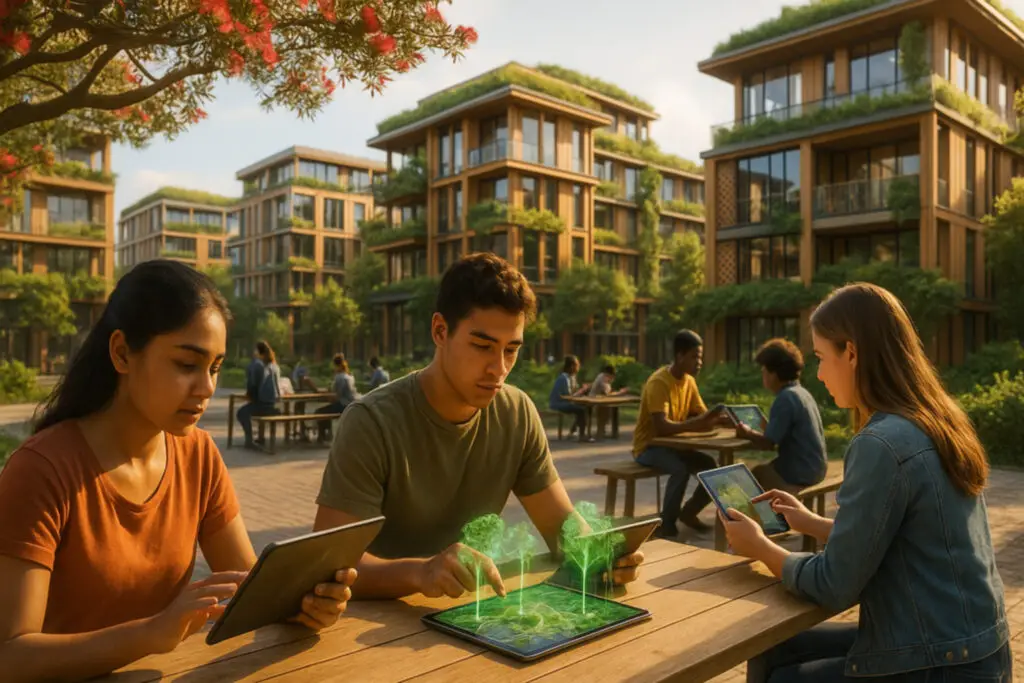
Education Strategies for Sustainability: Turning Learning into Lasting Change
Firstly Education Strategies for Sustainability in conclusion, unlock the powerful link between knowledge and action. Learn consequently, why coastal dunes blunt storms or how compost warms soil, and you start to care. That care shapes behavior. Think of a documentary that nudged you to recycle or a neighbor’s bee workshop that inspired you to plant lavender. Each insight becomes a seed. It germinates when you choose a bike over a car or grab a reusable tote. The chain reaction is gentle yet unstoppable. By weaving curiosity with practical skill, educators turn passive observers into active guardians of place.
Also Schools provide vivid demonstrations. Pupils transform empty corners into bright vegetable patches. While they mix soil and track rainfall, they absorb lessons in ecology, nutrition and teamwork. Energy monitors in hallways flash daily use, turning abstract kilowatt hours into visible goals. Teachers invite students to calculate overnight savings and compare classes. Also young people shout reminders to switch off lights before the bell rings. Their enthusiasm travels home, where parents learn to sort waste or build backyard compost heaps. One lesson often sparks ten more conversations, and whole streets begin to change.
Communities extend this spirit. Weekend workshops teach neighbors to install rain barrels, stitch pollinator corridors or build low-cost solar cookers. Each participant leaves with a skill and a story to share at the next barbecue. Local heroes emerge a retired engineer mapping shady streets for bike lanes, teens lobbying council for native tree planting. The message spreads: sustainability is no spectator sport; everyone gets a jersey.
From Schoolyard Gardens to Citizen Science
Furthermore hands on projects as well as, grow powerful citizens. Many cities host “adopt a plot” schemes that match volunteers with roadside planters. Children tally butterflies, upload sightings to open databases and watch their dots appear on national biodiversity maps. This citizen science fuels real research while teaching observation and patience. Platforms like iNaturalist turn an evening stroll into a micro expedition, proving that smartphones can reconnect us with the living world.
Digital tools also gamify greener choices. Families compete on apps that reward walking to school, saving electricity or eating plant rich meals. Badges feel playful, yet they track ultimately, measurable carbon cuts. When apps display neighborhood leader boards, friendly rivalry kicks in. Furthermore people cheer each other on at bus stops and swap tips about efficient appliances. The result is in conclusion, a community energy around climate action that feels social, hopeful and achievable.
Outreach must meet doubts head-on. Some residents feel climate talk is gloomy or complex. Thus storytelling finally lifts that mood. Organizers showcase relatable wins. One example, to illustrate is a coastal village that rebuilt mangroves and now enjoys calmer tides. Another is a library roof converted to a pollinator meadow that cuts cooling bills. These narratives translate jargon into lived experience and confirm that individual steps, when synchronized above all, deliver visible results.
Technology and Trust Build Momentum Education Strategies for Sustainability
Reliable information underpins every strategy. Public libraries host Q&A nights with marine scientists, urban planners and climate psychologists. Streaming services carry free short films licensed by the United Nations Environment Programme. Social media ambassadors link audiences to peer reviewed studies with one swipe. Such access boosts scientific literacy and chokes misinformation before it spreads. According to UNESCO’s Global Education Monitoring Report, countries that embed sustainability across curricula see higher civic participation and indeed, greener policies.
Technology also democratizes design. Open-source mapping lets communities sketch pocket parks, cycle routes or rain gardens on virtual layers projected over satellite images. Residents vote on plans in real time, and planners adjust them overnight. The co creation process turns skeptics into co owners, smoothing the path for construction and long term care.
Even remote areas benefit. Radio shows in Pacific islands blend folk music with tips on coral friendly fishing. Solar-powered tablets carry seed-saving tutorials to off grid farms. The medium changes, yet the principle stays firm: deliver clear knowledge, respect local wisdom and invite dialogue. Where trust grows, action follows.
Education Strategies Measuring progress keeps the movement honest.
Schools track waste reduction by weight. Cities post open dashboards of storm water captured by new rain gardens. Success indicators do more than satisfy auditors; they celebrate collective effort. Residents see graphs rising and feel pride rather than pressure.
Challenges remain. Funding can falter, and attention can drift. Yet each workshop, field trip or podcast episode plants another seed. Some seeds sprout quickly, others bide their time, but each holds potential. When they finally emerge perhaps as a community orchard or a municipal climate plan we remember a simple lesson first shared. The planet will not wait, and neither should we. Pick up a new Eco skill this weekend, mentor a curious neighbor or start a lunchtime “green idea” circle at work. Education is an act of love for Earth, and love flourishes when shared.
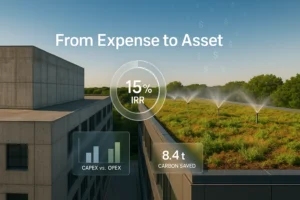
Life Cycle Economics Hub
In summary Life Cycle Economics Hub lets boards see a project’s whole cash journey, not just its first invoice. It splits capital and operating outlays, draws NPV
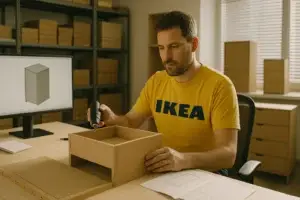
IKEA Strategy QA
Q 1: Why did you choose 1973 as the start year? A: Firstly, IKEA Strategy 1973 marked the first full year after IKEA’s German expansion

Green living Rooftops Gardens
Green living Rooftops Gardens revolutions: how plants are rewriting our city skylines Green living Rooftops Gardens are turning forgotten roofs into not only … but
Life Cycle Economics
Executive Summary To conclude Life Cycle Economics recent evidence across Sydney, Wellington / Auckland and comparable EU / US programmes shows retrofit economics have improved but still stretch over multi
Q1. What is education for sustainability?
A1. Put simply, education for sustainability equips learners with the knowledge, skills, and values needed to make environmentally responsible choices. In doing so, it also empowers them to build more resilient, future ready communities.
Q2. How can schools integrate sustainability into everyday lessons?
A2. One effective approach is to transform classrooms into hands-on learning environments. For instance, incorporating vegetable gardens, energy use dashboards, or classroom waste audits allows students to connect theory with real world action thereby reinforcing sustainability through daily experience.
Q3. Which digital tools help communities adopt greener habits?
A3. In many cases, gamified apps make sustainable choices more engaging. By rewarding behaviors like walking to school, reducing electricity use, or eating more plant based meals, these tools not only foster friendly competition but also track real progress in cutting emissions.
Read More:
Education Strategies Research Tech >>>
Education Strategies Research Q and A>>>
Green Infrastructure & Resilient Cities >>>
Net Zero Districts Hub >>>
Life Cycle Economics Hub >>>