
Eco Atlas

Eco Atlas is Eco Wave Green’s ecology and spatial systems hub. It connects environmental pressure, climate adaptation, green infrastructure, low-carbon progress, urban condition and public value decisions across Wellington Region, New Zealand and Australia.
The hub supports EWG’s research led decision work by showing how environmental evidence connects to real places, infrastructure choices, community outcomes and future risk. It does not replace the main Research page; it gives visitors a selected pathway into the ecological and place based side of EWG’s work.
Some visitors may arrive looking for energy saving advice or building condition support. This page gives the wider context: buildings, businesses, homes, infrastructure and climate risk all sit inside living systems. More technical research is available through the Research hub, public facing summaries through the Blog, and older foundation material through the Research Archive.
Current Eco Atlas Signals
Start with these selected signals if you want the shortest route into EWG’s ecology and systems work. They connect environmental pressure, policy direction, adaptation needs, low-carbon progress and green infrastructure decisions.

New Zealand Low Carbon Progress Is Not One Number
Why New Zealand low carbon progress needs more than one number New Zealand low carbon progress is often reduced to one headline: a target, a
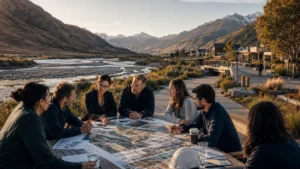
Who Pays for Local Climate Adaptation?
The issue is no longer only the hazard Climate adaptation cost sharing becomes real when a council, authority, asset owner, insurer, funder, business, iwi/hapū group,
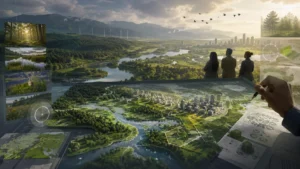
Ecology Pressure Radar: 7 Critical NZ Risks
1. Ecology Pressure Radar: New Zealand’s Priority Ecology Pressures Beyond Carbon Scope and research question This Ecology Pressure Radar asks which non carbon environmental issues are
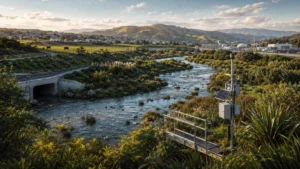
Ecology Policy Radar: 3 Environmental Pressures New Zealand Should Watch First
Ecology Policy Radar: wider than carbon Ecology policy radar is a simple way to track New Zealand environmental pressures beyond carbon. Carbon still matters: emissions
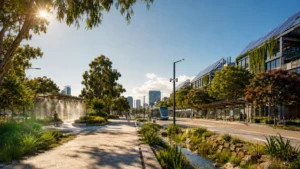
Climate Adaptation and Local Infrastructure
1. Climate Adaptation and Local Infrastructure technical web page Scope and research question Climate Adaptation and Local Infrastructure is a technical web page for New
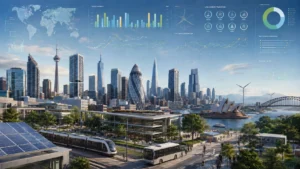
Low Carbon Progress Quality
1. Low Carbon Progress Quality: New Zealand in Western Comparison Scope and research question This technical web page asks how New Zealand’s Low Carbon Progress
Ecology and Environmental Pressure
Ecology is the reason this hub sits beside the main Research page. Environmental pressure is not a background issue: it can affect land use, infrastructure planning, building performance, public health, biodiversity and long term resilience.
This section shows how EWG reads ecological pressure and policy signals as part of a wider decision system. The aim is not to teach ecology in full, but to help visitors see where environmental pressure may affect planning, investment, building choices, infrastructure priorities and public value.

Ecology Pressure Radar: 7 Critical NZ Risks
1. Ecology Pressure Radar: New Zealand’s Priority Ecology Pressures Beyond Carbon Scope and research question This Ecology Pressure Radar asks which non carbon environmental issues are

Ecology Policy Radar: 3 Environmental Pressures New Zealand Should Watch First
Ecology Policy Radar: wider than carbon Ecology policy radar is a simple way to track New Zealand environmental pressures beyond carbon. Carbon still matters: emissions
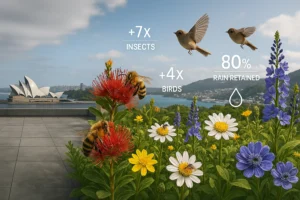
Biodiversity Living Buildings
Biodiversity Gains on Urban Roofs Urban biodiversity living buildings is now judged by ecological function, not just visual greenery. For example, Melbourne’s 2023 Guidelines for
Climate Adaptation and Local Infrastructure
Climate adaptation is not only a future risk topic. It is already connected to local infrastructure, stormwater, urban heat, asset planning, property decisions and cost sharing questions.
This section explains how local infrastructure decisions can be affected by changing climate conditions, and how adaptation costs may need to be shared or prioritised. This is especially important for councils, property owners, infrastructure partners, community organisations and businesses that need to prepare without overclaiming certainty.

Who Pays for Local Climate Adaptation?
The issue is no longer only the hazard Climate adaptation cost sharing becomes real when a council, authority, asset owner, insurer, funder, business, iwi/hapū group,

Climate Adaptation and Local Infrastructure
1. Climate Adaptation and Local Infrastructure technical web page Scope and research question Climate Adaptation and Local Infrastructure is a technical web page for New
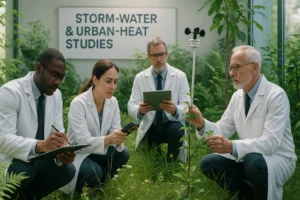
Storm Water Urban Heat
Summary – Strategies: Auckland, Sydney Research from 2023-07 to 2025-07 Firstly Storm Water Urban Heat Auckland and Sydney are confronting converging climate pressures: extreme rainfall,
Low Carbon Progress and Transition Quality
Low carbon progress should not be presented only as a target or marketing claim. For EWG, the more useful question is whether progress is practical, measurable, resilient, and connected to public value. This hub helps readers understand transition quality: whether low carbon action is realistic, place aware, and aligned with wider environmental and social outcomes.

New Zealand Low Carbon Progress Is Not One Number
Why New Zealand low carbon progress needs more than one number New Zealand low carbon progress is often reduced to one headline: a target, a

Low Carbon Progress Quality
1. Low Carbon Progress Quality: New Zealand in Western Comparison Scope and research question This technical web page asks how New Zealand’s Low Carbon Progress
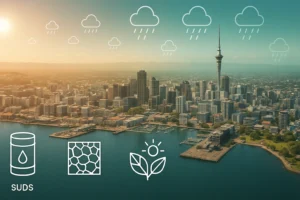
Green Infrastructure Foundations
Green Infrastructure and Strategy is an older but still useful foundation for this hub. It connects urban resilience, infrastructure strategy, ecology, stormwater, heat, biodiversity and public value.
This material sits below the newest research signals because much of it was first published in 2025. It remains useful where readers need background on living systems, urban cooling, biodiversity supporting buildings and nature based infrastructure.

Low Carbon Progress Quality
1. Low Carbon Progress Quality: New Zealand in Western Comparison Scope and research question This technical web page asks how New Zealand’s Low Carbon Progress

Green Infrastructure and Strategy
In summary, Green Infrastructure and Strategy Policy and Funding Levers serve as the foundation for resilient urban design across Australasia. By integrating nature-based drainage systems, heat-mitigating surfaces, and energy-harvesting
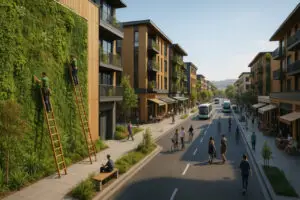
Eco Infrastructure Outlook
Eco Infrastructure Developments: Melbourne’s Living Blueprint for Greener Cities Eco Infrastructure Developments now also reads like a field journal, not a spreadsheet. Dawn breaks over
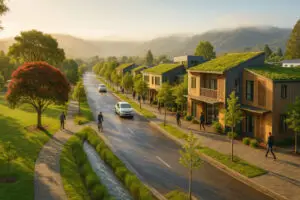
Global Insights Green Infrastructure
Cities Without Borders: Global Insights on Green Infrastructure and Sustainable Urban Futures Global Insights on Green Infrastructure and Sustainable solutions are reshaping how every city
Living Systems, Roofs, Walls, and Biophilic Design
Some older foundation material focuses on living systems within buildings and urban spaces. This includes green roofs, living walls, biodiversity supporting buildings, and biophilic design.

Biodiversity Living Buildings
Biodiversity Gains on Urban Roofs Urban biodiversity living buildings is now judged by ecological function, not just visual greenery. For example, Melbourne’s 2023 Guidelines for

Biophilic Design Principles Resilience
Cities That Breathe: Biophilic Design Principles for Resilience Biophilic Design Principles Resilience is reshaping cities, weaving trees, water, and daylight into concrete canyons so people
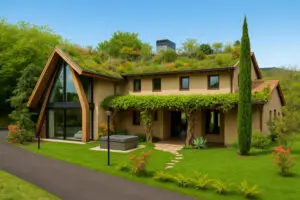
Green living Rooftops Gardens
Green living Rooftops Gardens revolutions: how plants are rewriting our city skylines Green living Rooftops Gardens are turning forgotten roofs into not only … but

Living Walls Vertical Gardens
Living Walls Vertical Gardens: Where City Streets Breathe Again Living Walls Vertical Gardens are reshaping urban life across New Zealand and Australia. When you step
Official Reference Points
This hub is EWG’s interpretation layer, not a substitute for official environmental reporting. Useful public reference points include New Zealand’s national environmental reporting, freshwater reporting, biodiversity strategy, climate adaptation framework, Wellington Region climate risk work, and Australia’s State of the Environment reporting.
Related EWG Hubs
This page is one doorway into EWG’s wider research-led structure. Use these related hubs when you need the full technical evidence base, shorter public explanations, older foundation material, or an applied pathway connected to energy savings, building condition, thermal comfort, and first-step decision support.
Blog
Use the Blog page for shorter public explanations - blog that translate current EWG research into accessible topic summaries.
Research hub
Use EWG Researches for the current technical evidence hub behind these signals and applied pathways.
Research Archive
Use the Research Archive for older or wider material that remains useful but should not dominate the current Research page.
Energy Savings
Use the Energy Savings pathway for practical enquiries about energy waste, operating patterns, and first-step site decisions.
Healthy Homes & Thermal Comfort
Use this pathway for Healthy Homes, indoor condition, ventilation, moisture, winter comfort, and practical readiness themes.
First step decision support - Contact EWG
Contact EWG when you need a practical starting point, a relevant applied pathway, or a clear route from research into next action.