Eco Wave Green: research informed green infrastructure, Healthy Homes, and practical energy decisions

Eco Wave Green helps New Zealand and Australian readers make clearer environmental and building decisions before money, time, or trust are committed. The purpose is not to push one fixed solution. The purpose is to ask better questions: what is happening on the site, what can be improved first, who pays, what evidence is needed, and what should wait until the risk or opportunity is clearer?
EWG is primarily a research led decision support platform. Energy Savings and building condition checks are applied pathways inside that wider system.
Green Planet Vision
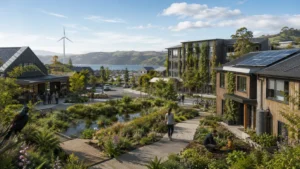 Green Planet Vision is EWG’s long horizon frame for healthier buildings, resilient communities, practical energy decisions, green infrastructure, biodiversity, and transparent environmental choices.
It keeps the wider purpose visible: better homes, more comfortable indoor environments, lower waste, stronger local places, and decisions that respect people, funding limits, and the natural environment.
Green Planet Vision is EWG’s long-horizon frame for healthier buildings, resilient communities, practical energy decisions, green infrastructure, biodiversity, and transparent environmental choices.
It keeps the wider purpose visible: better homes, more comfortable indoor environments, lower waste, stronger local places, and decisions that respect people, funding limits, and the natural environment.
The vision is practical, not decorative. It asks how local sites, homes, businesses, institutions, councils, and communities can make better choices without pretending that every problem has a quick technology answer.
Energy savings is the first practical door
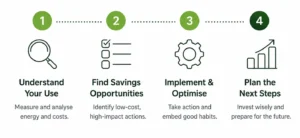 Energy Savings is currently EWG’s first applied service pathway because it gives businesses and site owners a practical place to start.
Many energy decisions become confusing too early. A site may be offered solar, batteries, heat pumps, controls, HVAC upgrades, lighting changes, refrigeration work, or a supplier quote before the real issue is clear.
EWG’s role is to slow that decision down just enough to make it safer. The first question is not “What should we buy?” The first question is “Where is energy being wasted, what is the likely cause, and what next step is worth paying for?”
This keeps practical action connected to evidence, cost, comfort, timing, and operational reality.
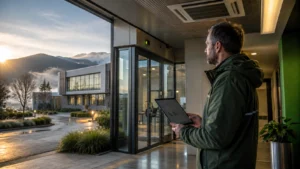
Why Energy Savings Should Start With Losses, Not New Technology
Energy savings start with losses, not technology Energy savings start with losses, yet many organisations still begin by asking what
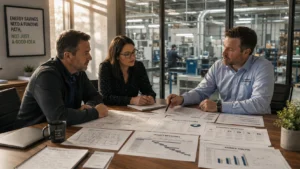
Energy savings funding pathway: not just a good idea
Energy savings funding pathway: not just a good idea An energy savings funding pathway turns a reasonable observation into a
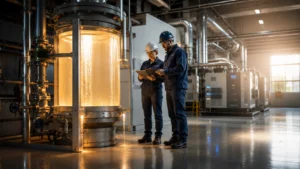
Is Your Site Ready for the Future Energy System?
Site energy readiness is becoming an energy performance question Site energy readiness starts where the old energy saving question stopped:
 Research led by design
 Research led by design
EWG should not be read as a narrow energy saving service website. Energy Savings is important, but it is one applied pathway inside a wider research led platform.
Environmental and building decisions rarely sit in one category. A choice about energy can affect comfort, cost, emissions, maintenance, funding, supplier scope, tenant experience, climate resilience, and long-term asset planning. A decision that looks efficient in one area can create cost or harm somewhere else if the wider system is ignored.
EWG’s research layer keeps these connections visible. It supports practical decisions with evidence, context, public value thinking, and clearer boundaries.
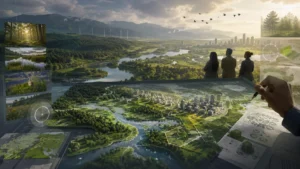
Ecology Pressure Radar: 7 Critical NZ Risks
1. Ecology Pressure Radar: New Zealand’s Priority Ecology Pressures Beyond Carbon Scope and research question This Ecology Pressure Radar asks which
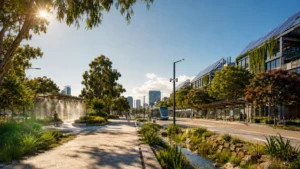
Climate Adaptation and Local Infrastructure
1. Climate Adaptation and Local Infrastructure technical web page Scope and research question Climate Adaptation and Local Infrastructure is a
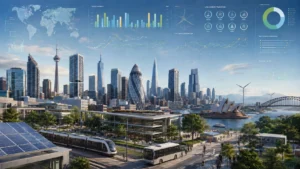
Low Carbon Progress Quality
1. Low Carbon Progress Quality: New Zealand in Western Comparison Scope and research question This technical web page asks how

World Energy Savings Benchmark: Mechanisms New Zealand Can Actually Use
1. World Energy Savings Benchmark technical web page Scope and research question The World Energy Savings Benchmark compares Australia, the