
Start with what has changed
New Zealand’s final private-rental deadline was 1 July 2025. Covered rentals must continue to meet the Healthy Homes standards unless an exemption applies. Equipment and other measures provided to meet the standards must stay in working order and be replaced if they can no longer be kept working. See Tenancy Services’ maintenance guidance.
What inspectors found in Dunedin
In May 2026, MBIE’s Tenancy Compliance and Investigations Team visited 14 private student rentals in Dunedin. Its 9 June report identified blocked gutters, gaps around external doors and broken windows or latches. These visits covered different rentals from the previous year. They show what can go wrong at those properties. They cannot tell us how common these issues are across Dunedin, Wellington or New Zealand.
If a tenant reports water spilling from a gutter or a window that will no longer close, record what they noticed, arrange the repair, check that it worked and update the maintenance record.

The five Healthy Homes standards
For each standard, pair what is installed and working today with a record that describes it.
Heating
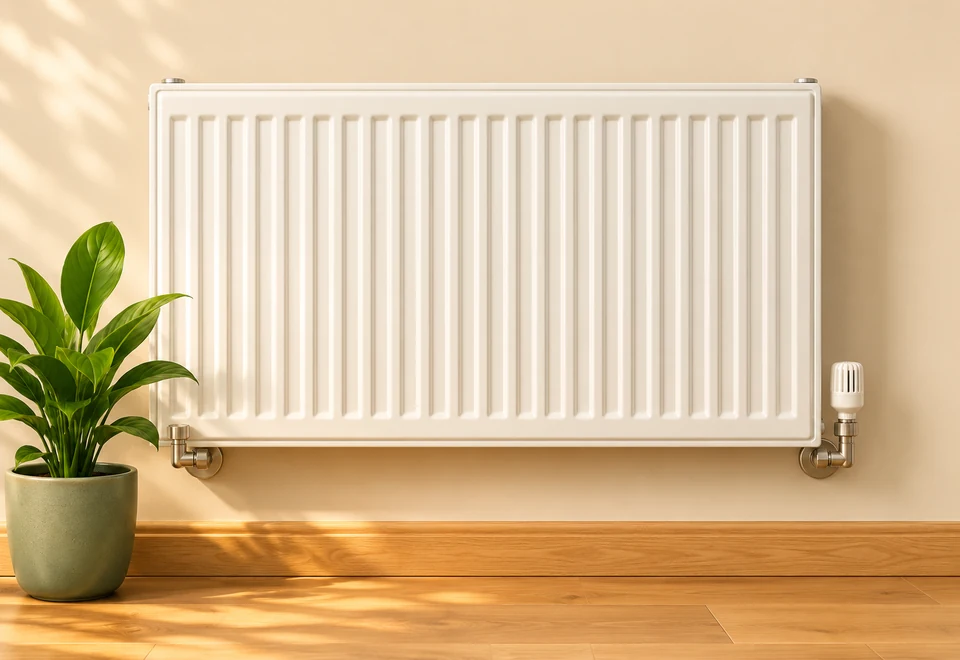
One or more acceptable fixed heaters must directly heat the main living room and meet the assessed capacity. The general minimum is 1.5 kW. Heat pumps and eligible electric heaters need thermostats. The rules restrict ordinary electric resistance heaters where the required capacity exceeds 2.4 kW, with provisions for qualifying top-ups. Use the official heating standard and capacity assessment guidance for those details and accepted calculation routes. The 18 °C figure is a capacity assessment target.
Record to check. Match the model and rated output on the installer’s record to the heater in the room and its capacity assessment.
Insulation
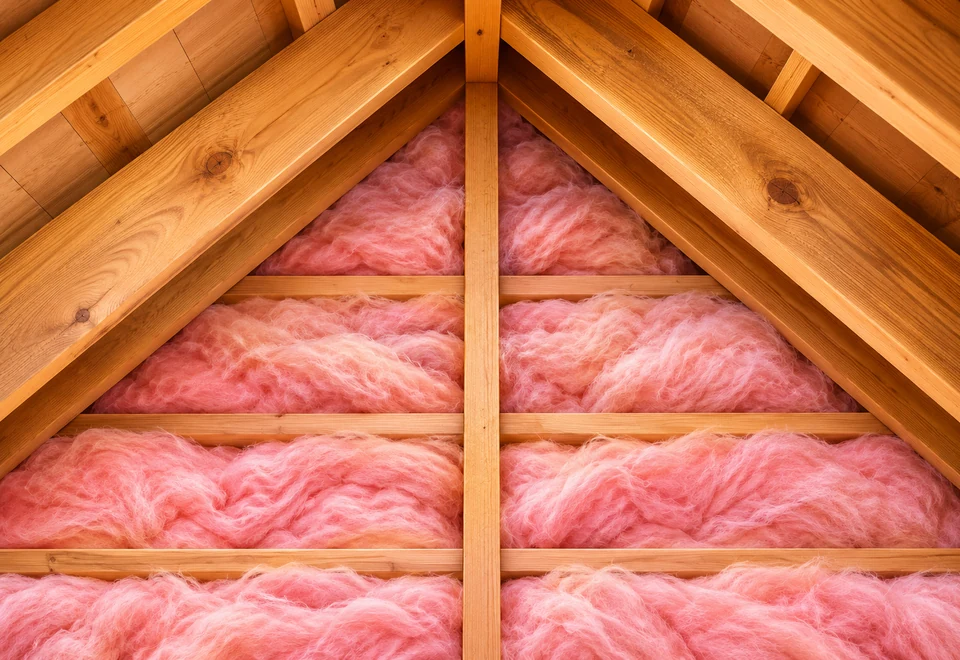
The insulation standard sets requirements for ceilings and suspended floors. Applicable levels, condition and any exemptions depend on the building. Ask a qualified person about a roof or subfloor you cannot access safely.
Record to check. Compare the installation statement or report with known changes such as a roof leak or subsequent repairs.
Ventilation
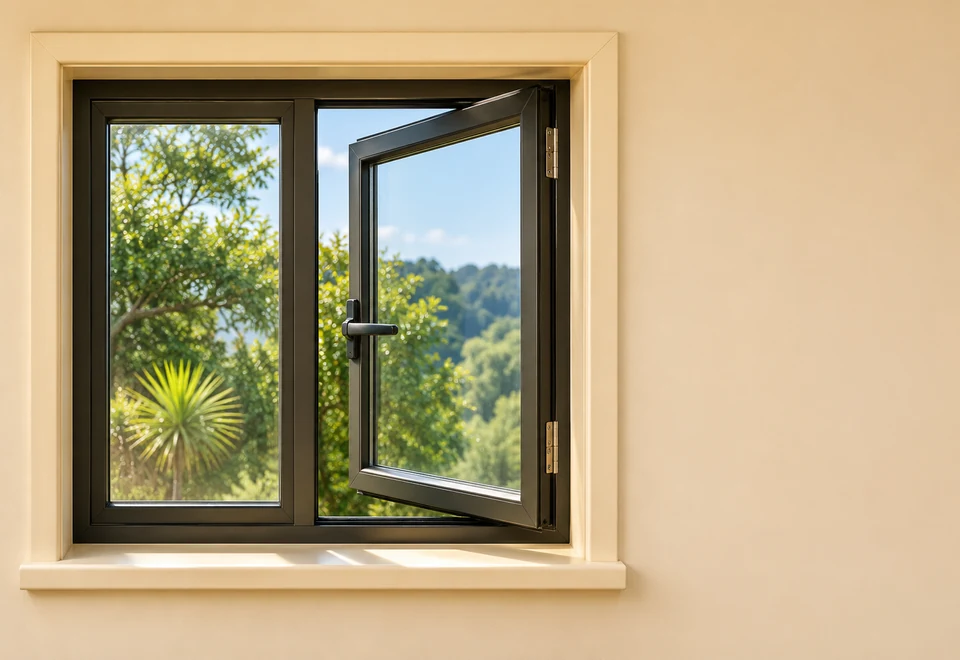
Habitable rooms generally need openings to the outdoors that can stay open, with a combined openable area of at least 5% of the room’s floor area. Kitchens and bathrooms generally need extraction that discharges outdoors. The ventilation standard describes qualifying alternative systems and exemptions, and gives fan specifications by room and installation timing.
Record to check. If a bathroom extractor was replaced and the invoice omits where it discharges, ask the installer for the duct route, outside outlet and applicable fan diameter or flow rate. A running fan or photograph alone cannot confirm the extraction requirement.
Moisture ingress and drainage
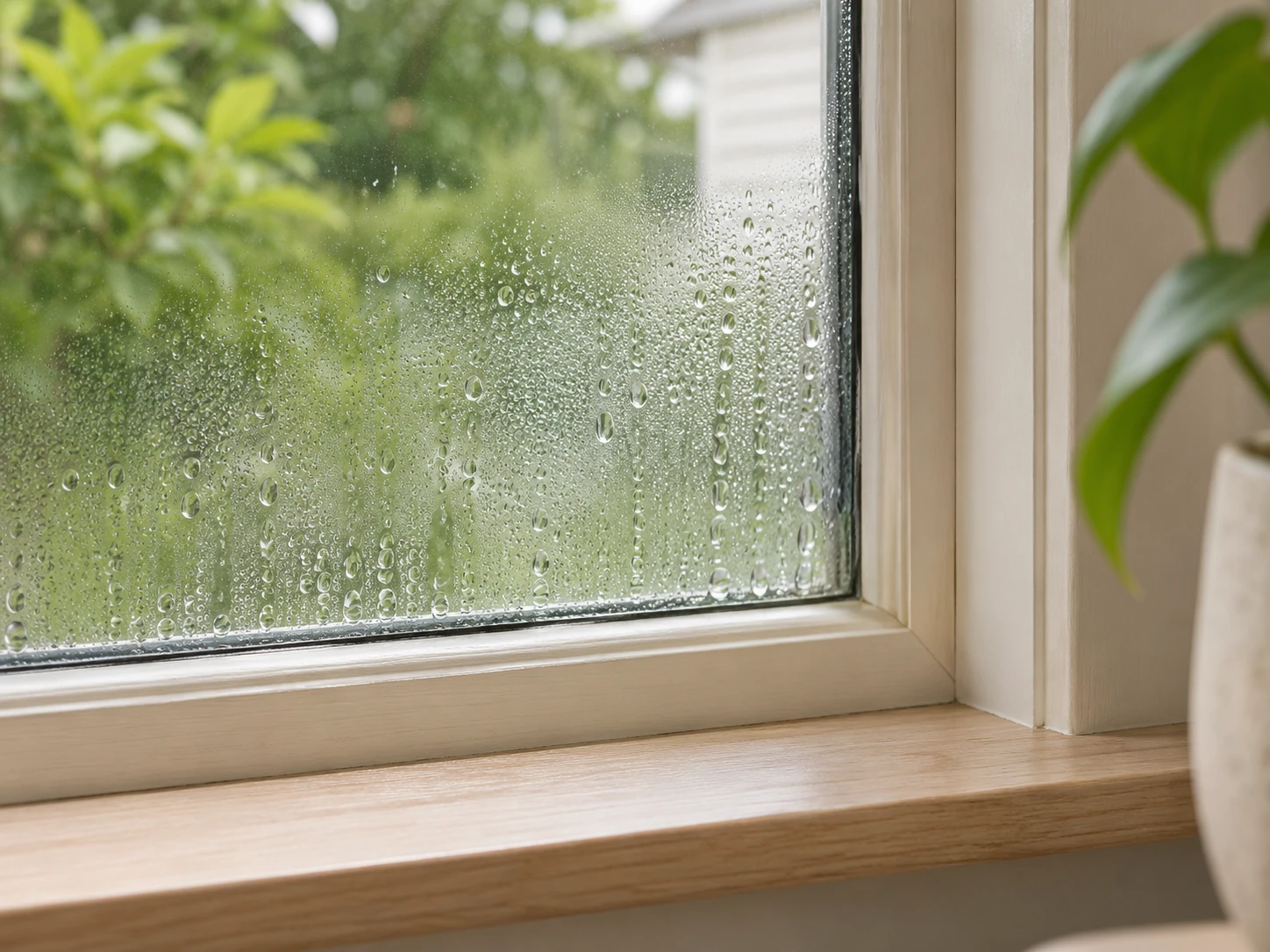
The moisture and drainage standard calls for efficient drainage with an appropriate outfall. An enclosed subfloor generally needs a ground moisture barrier where installation is reasonably practicable. Check the official conditions if safe access is an issue.
Record to check. Note visible gutter overflow after rain from ground level and keep the trade’s repair record. Leave roof and subfloor inspections to a qualified person.
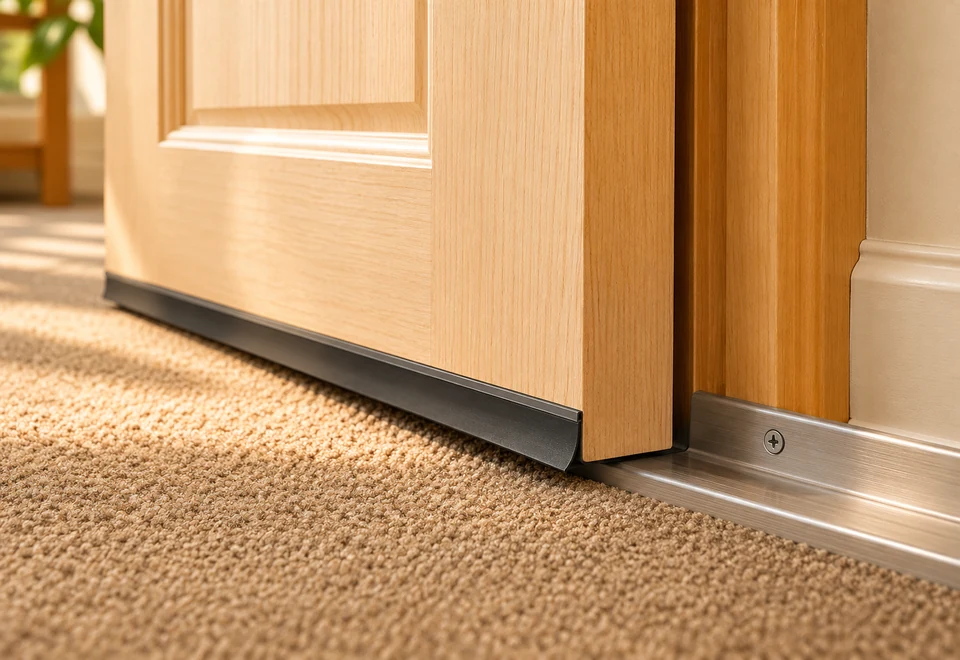
Draught stopping
The draught stopping standard requires landlords to address unreasonable gaps that cause noticeable draughts. Keep designed ventilation working. An unused open fireplace normally needs to be closed off. A tenant can ask in writing to use it and the landlord may agree subject to the applicable conditions.
Record to check. Note an external door gap or loose window latch, what was repaired and whether the draught returned.
Keep records that match the rental
New tenancy agreements and written renewals or variations covered by the Act require a signed Healthy Homes compliance statement with the prescribed information. Keep the prescribed compliance records throughout the tenancy and for 12 months after it ends. Other records may have different retention periods.
Landlords generally have 21 days after receiving a tenant’s request to supply the requested Healthy Homes information. See the Residential Tenancies Act 1986 (sections 45 and 123A) and the separate evidence rule for the ceiling-insulation exemption below.
Keep the current statement and supporting assessments, dated invoices, installer details, model and capacity records, insulation details and maintenance notes. A dated index can help you find what changed, who did the work and where the evidence is kept.
Photographing an occupied rental
Explain to the tenant what you need to photograph, when and why. A close-up of a damaged latch can show what needs repair while keeping people and belongings out of frame. Store the image securely with the maintenance record and limit sharing to purposes connected to the inspection. See the Privacy Commissioner’s guidance on inspection photographs and Tenancy Services’ inspection guidance.

Exemptions and apartments
Use the official exemption criteria to check what the exemption covers, how long it applies and what evidence you need. Record an applicable exemption in the tenancy agreement as required. The age of the home or a difficult installation alone does not establish an exemption.
Ceiling insulation
Regulation 19A is a partial exemption for certain installed ceiling insulation. It depends on the relevant compliance document, original building-consent date for the climate zone and other conditions. The exemption can cease if reasonable evidence of the document is not provided within 10 working days after the day a qualifying request is received. A Tribunal request has its own time allowance. Read the 25 September 2025 amendment and regulation 19A. The separate amendment disapplies specified older heating, ventilation and drainage rules for residential tenancies.
When apartment work affects common property
If an outdoor heat-pump unit needs body corporate consent, raise it with the body corporate and keep the response. If consent is refused, check what other qualifying options are reasonably practicable for the apartment. The duty to take reasonable steps continues where regulation 32 applies, and heating-specific rules may apply. Check ownership, building rules and access against regulation 32 and Tenancy Services’ unit title guidance.
Seven checks before the next tenancy or inspection
- Does the compliance statement match the property as it is now?
- Does the heating assessment match the installed heater and its capacity?
- Do fan records show outside discharge and the relevant specifications?
- Do insulation records match known condition, coverage and repairs?
- Are gutters, downpipes, drainage and any ground moisture barrier still doing their job?
- Have noticeable draughts returned after weather, repairs or tenant feedback?
- Is any exemption still valid, supported by evidence and recorded where required?
Comfort and first-step help
In Wellington Region homes, a cold room, recurring condensation or overflowing gutters can give you a place to start. Condensation alone cannot establish the cause or show whether the rental complies.
Use the Healthy Homes hub to choose where to start, Healthy Living Home for everyday comfort checks, NZ Healthy Homes Standards for more on condition and evidence, or Indoor Environmental Quality for comfort, moisture and airflow.
Eco Wave Green can help you organise existing evidence, identify obvious gaps and prepare questions to take to trades, official sources or qualified professionals. Use the appropriate authority or qualified professional for certification, legal advice, tenancy disputes, engineering, building inspection, consent or installation. Contact Eco Wave Green for a general enquiry.
Healthy Homes NZ questions
What does Healthy Homes NZ mean after the final rental deadline?
Covered rentals must continue to meet the five Healthy Homes standards unless an exemption applies. Keep the home in working order and maintain evidence that reflects its current condition.
Is Healthy Homes compliance the same as a healthy living home?
Healthy Homes compliance covers minimum rental standards. Everyday comfort also includes how warm rooms feel, whether moisture clears and how people use the home.
What Healthy Homes records should landlords keep?
Keep the signed compliance statement where required, with the supporting assessments and records. Examples include heating capacity details, fan and insulation specifications, dated invoices, maintenance records and evidence for any exemption.
Can Eco Wave Green certify Healthy Homes compliance?
Eco Wave Green can help organise evidence and prepare questions for trades or other qualified professionals. It does not provide formal Healthy Homes certification.
Official sources
Related guides and research

Healthy Homes
New Zealand homes Healthy Homes: rental standards and everyday comfort Start with the question that matters to you: rental standards and records, or warmth, moisture and air in everyday life. Rental compliance and day-to-day comfort answer different questions. Use this hub to choose the relevant guidance and next step. Rental
Healthy living at home: six practical checks
Home guidance · New Zealand Healthy living at home: six practical checks A cold bedroom, wet window or room that overheats can be a useful starting point. Notice where and when the problem appears, try suitable everyday changes, and recognise when repair or specialist advice is needed. Start the six

NZ Healthy Homes Standards 2026
Rental property guide · New Zealand Healthy Homes Standards: requirements and evidence Use this guide to understand the five Healthy Homes Standards, organise the evidence you already hold, and identify questions for official guidance or a qualified professional. For rental owners and property managers, including those in the Wellington Region.

Indoor Environmental Quality
Research & guidance · New Zealand Indoor Environmental Quality Look at the whole room. Across the whole year. Air, temperature, moisture, light and sound shape the spaces we use. The people, activities and controls in a room connect them. This guide uses New Zealand home examples, with separate routes for