Workshops – Manufacturing – What Next
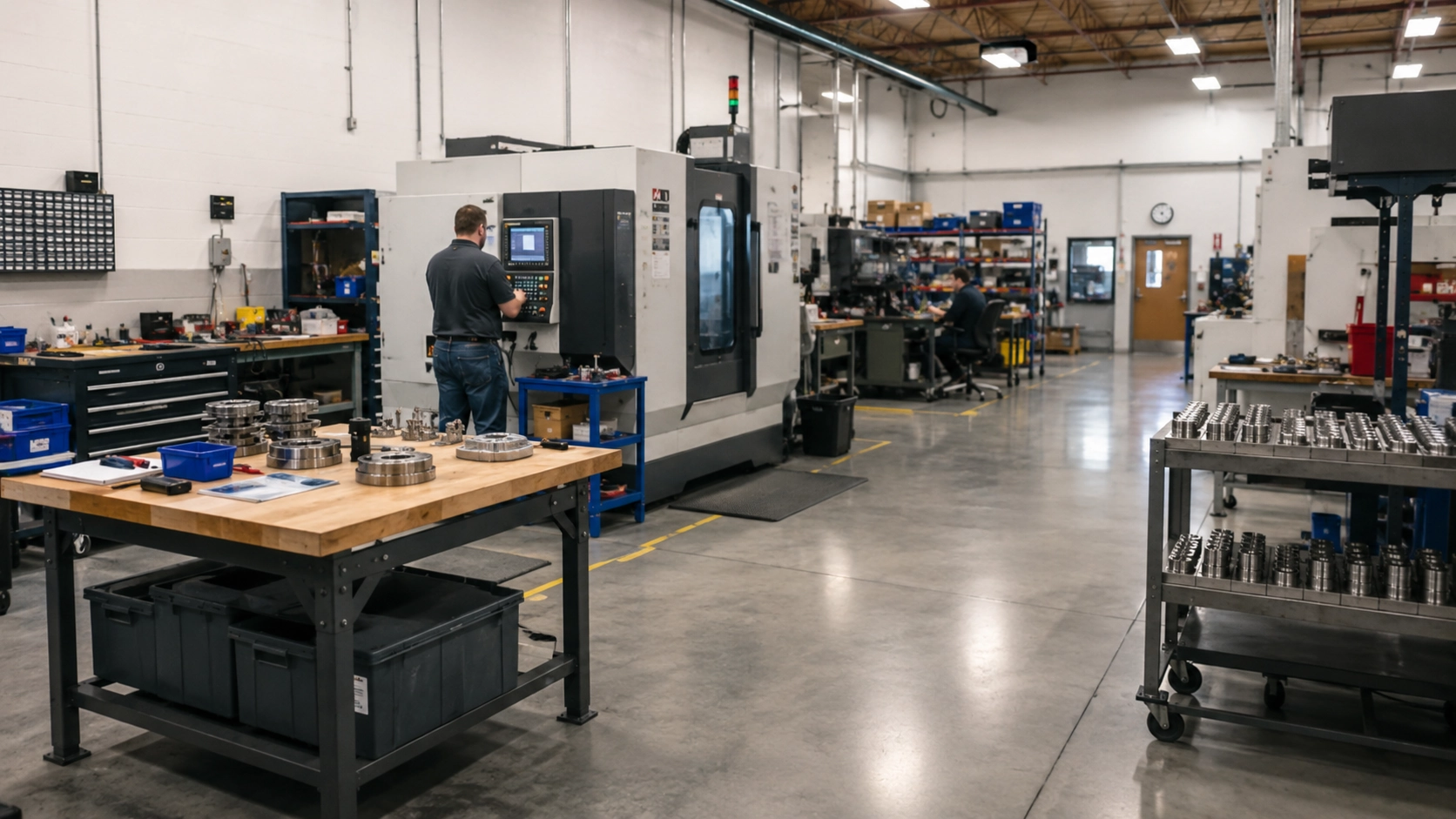
After you send basic information about your workshop or manufacturing site, EWG reviews the details and checks whether there may be a practical pressure area, avoidable loss, supplier question, or no-action pathway.
This first step is not a formal audit, technical design, trade inspection, or sales visit. It is a bounded review of the information you choose to provide, so EWG can see whether the issue is likely to be suitable before anyone spends time on custom review.
What EWG reviews after you send the information
EWG looks at the site information, energy-use signals, evidence, and practical operating context you provide. For workshops and small manufacturing sites, this may include equipment operation, after-hours load, compressed air, extraction or ventilation context, process equipment, lighting, heating, comfort, maintenance pressure, and supplier or upgrade confusion where relevant.
The aim is to check whether the information points to a sensible next step. It is not a diagnosis of equipment faults, worker exposure, machine safety, building condition, electrical safety, gas safety, air quality, or compliance status.
- Whether there is a clear pressure area, visible trigger, or avoidable loss worth reviewing.
- Whether the issue is mainly about energy use, operating pattern, supplier uncertainty, or decision risk.
- Whether the right information is already available, or whether the first move is to gather clearer evidence.
- Whether the matter sits better with a qualified trade, specialist, engineer, certifier, landlord, supplier, or no-action route.
Possible next routes
After the initial review, EWG may suggest one of several bounded routes. Not every workshop issue needs action, and not every issue is suitable for EWG review.
- No action for now — where the issue is small, unclear, already being handled, not ready, or unlikely to justify paid review.
- Simple online or PDF route — where the site needs a light self-check, clearer wording, or basic questions to consider before speaking with others.
- Gather clearer evidence — where a bill, photo, operating-hour note, supplier quote, or short description would make the next decision less uncertain.
- Paid first-step check or remote review — where there is enough context and a practical decision that may be worth reviewing before time or money is spent.
- Supplier or upgrade readiness pathway — where the main issue is deciding what to ask, what to check, or how to approach a quote, repair, landlord question, or upgrade decision.
- Specialist route — where the matter is mainly regulated, technical, safety-critical, compliance-related, trade work, emergency repair, or formal design work.
What EWG may ask for
EWG may ask for plain-language details or safe, already available evidence. Technical wording is not required.
- Normal operating hours, cleaning or shutdown timing, and whether equipment is active outside useful work.
- The main equipment, processes, zones, or loads on site, such as compressed air, extraction, lighting, heating, process equipment, or workshop machinery.
- A recent bill, spend band, supplier quote, maintenance note, or short record of what has changed.
- Photos of controls, labels, or visible equipment information where these are safe and easy to provide.
- A short description of what feels unreliable, wasteful, uncomfortable, expensive, confusing, or hard to decide.
Only provide information that is safe and already available. Do not open equipment, adjust settings, remove covers, override controls, or interfere with electrical, gas, HVAC, refrigeration, extraction, compressed-air, machinery, or building systems to gather information.
What this check does not replace
EWG provides a practical first step evaluation. It reviews the information you safely provide about your workshop or manufacturing site, operating pattern, available evidence, supplier uncertainty, and decision situation so the next step is clearer before larger work is considered.
This check does not replace a full audit, engineering design, licensed trade work, supplier pricing, machinery repair, installation, commissioning, compliance sign off, health and safety certification, legal advice, financial advice, funding advice, or a guaranteed savings report.
If worker safety, fumes, dust, ventilation, fire risk, machinery safety, electrical safety, gas safety, emergency repair, or formal compliance dominates the issue, a qualified provider may be the right next route. EWG can clarify the question, evidence, and preparation needed before you decide what to do.
Before any paid step
If the issue looks suitable, EWG explains the suggested next step, scope, and price before doing custom review work.
You decide before any paid step.
Before any custom review work starts, EWG explains what the step is for, what it covers, what it leaves outside scope, what information it will use, and the price. This page does not set or imply prices.
Keeping the first step clear
You can describe the issue in plain language. EWG may ask for clarification only where it is needed to decide the next sensible route.
Some workshop issues are best left alone for now. Others may be better handled by a supplier, trade specialist, landlord, engineer, certifier, or readiness step rather than by EWG review. EWG works with suitable businesses in the Wellington Region currently.