Green Infrastructure Resilient Cities: Core Benefits
Green Infrastructure Resilient Cities is indeed, more than a trend; it is the blueprint for cooler streets, cleaner water and thriving neighborhoods, manage storms and lift urban life. On the other hand. That is to say, ten years ago hot asphalt reflected dazzling glare, pipes overflowed every spring, and life hid indoors. In short today she strolls beneath street trees, rain gardens soak up showers, and butterflies flicker above native lilies. Because of these advantages, Green Infrastructure Resilient Cities strategies save councils in conclusion, millions on underground pipes. Therefore, cities can delay costly pipe upgrades.
From Grey Streets to Living Lanes
The change began with one bold decision: invite nature home. Planners swapped a library’s tar roof for a vegetable meadow that fed volunteers and cooled the building. Consequently community groups for example, replaced an abandoned parking lot with a wetland pond that drinks storm water. When a record storm battered the city last year, basements stayed dry. Rain gardens and bioswales absorbed the deluge, proving critics wrong.
To conclude success bred confidence. Residents planted pocket parks in empty lots. Businesses added green walls alive with kōwhai and jasmine. Children now race along “play streets” painted with murals and lined with planters. Weekends of shared planting forged friendships across cultures and generations.
Nature Pays Us Back Nature-Based Design Builds Resilient Cities
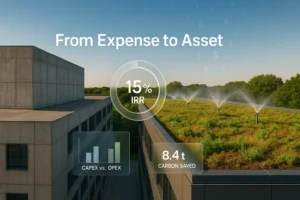
Science confirms what Maria feels. Shade from trees can lower local air temperature by up to four degrees Celsius, easing heat stress (European Commission). Living rooftops overall insulate homes, cutting energy bills and trapping pollutants. Property values rise where gardens replace gravel, and cities save on storm water tunnels because soils and roots handle the water for free. Many planners now view tree trenches as the backbone of Green Infrastructure Resilient Cities design.
Health gains ultimately follow. Cleaner air means fewer asthma attacks. Parks invite exercise, easing healthcare burdens. Equitable green space also advances social justice, because cooler, safer streets protect vulnerable residents first.
The economy sprouts alongside the greenery. Nurseries, landscape firms, and maintenance crews find steady work caring for living infrastructure. Philadelphia’s Green City, Clean Waters programme prevents billions of gallons of runoff each year while supporting local jobs. Consequently, basement flooding drops in older neighbourhoods.
Tools that Build Green Infrastructure Resilient Cities
No transition runs perfectly. Some plants failed in the first hot summer, budgets stretched thin, and city-hall debates grew heated. Yet every setback taught a lesson. The next planting list favoured native species adapted to local winds. Maintenance plans now include moisture sensors that trigger irrigation only when soil runs dry, saving water and labour.
Beyond Maria’s neighbourhood, the movement is global and accelerating. Melbourne’s “4 °C Cooler” programme planted fifteen thousand trees and laid permeable streets (Metropolis). Amsterdam added ten thousand square metres of blue-green roofs that capture rain and nurture pollinators. Copenhagen shapes plazas into basins that store cloudburst water by day and host markets by night. Each city adapts the same principle—work with water, soil, and sun, not against them. Designs differ, yet outcomes align: cooler air, cleaner rivers, and neighbours gathering beneath leafy canopies rather than hiding from heat. In addition, tree shade lowers peak summer temperatures.
Why Resilient Cities Need Living Systems
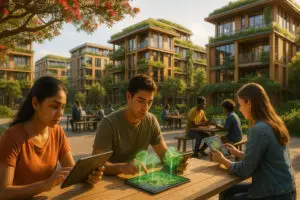
Maria and her neighbor James climb their building’s rooftop meadow to watch sunset. Between leaves they glimpse solar panels glinting like dragonfly wings. Fireflies rise as dusk settles, reminding everyone that the city once wrote nature out of its story and is now joyfully writing her back in. The skyline still bristles with towers, but vines now trace their walls. Wetlands lie where parking lots cooked. The concrete jungle remembers how to breathe.
City leaders weave green targets into climate plans for 2030 and beyond. Many pledge to expand tree canopy by a third, require new rooftops to host plants or solar panels, and restore forgotten streams. These commitments as well as show that living infrastructure is no longer a novelty but a pillar of urban resilience.
What happened here can also happen anywhere. Start not only … but also with one roof, one tree, one community workday. Invite nature, and she returns the favor a hundredfold—cooler summers, cleaner water, kinder streets. Cities built with living systems are not only possible; they are already growing. Furthermore, property values rise near well-maintained green streets. Green Infrastructure Resilient Cities.