Avoidable Loss
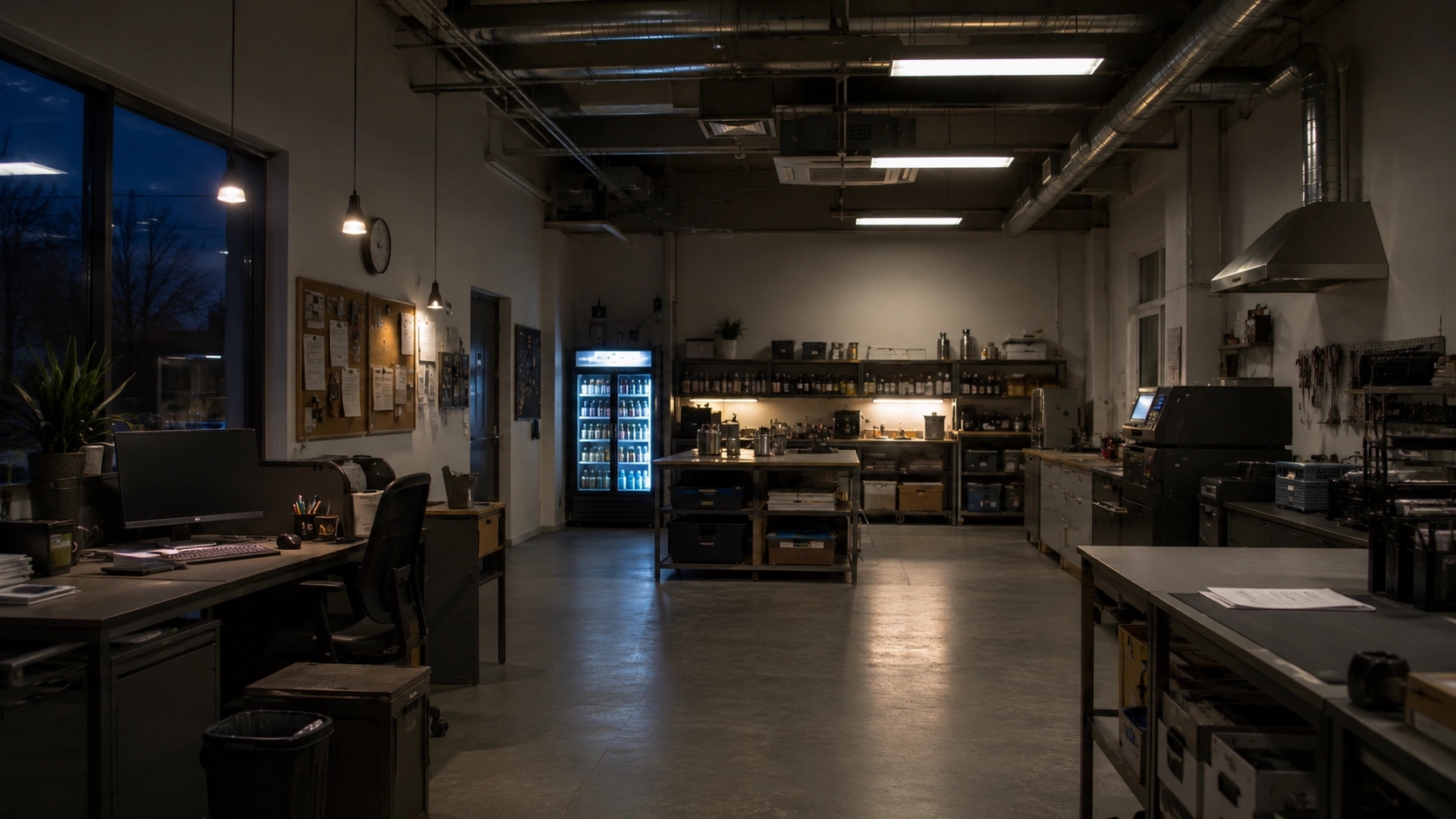
Avoidable loss is not a savings promise. It is the possibility that power, heat, cooling, staff time, maintenance effort, supplier attention, or decision energy is being spent without enough useful work in return.
EWG treats avoidable loss cautiously. The first step is to understand the pressure, not to assume a result.
This page is supporting information.
It is a plain-language guide only. It is not a formal audit, design, safety instruction, or guarantee.
What this usually means
Avoidable loss can sit in everyday routines. Lights may run through quiet periods. Hot water may heat when demand is low. A compressor may be feeding leaks. Refrigeration may work harder because doors, seals, airflow, or maintenance are under pressure. HVAC may run against open doors, drafts, kitchen heat, or after-hours schedules.
Sometimes equipment is replaced before the underlying question is clear. In other sites, the loss is not mainly energy. It may be lost time, repeated callouts, uncertain supplier conversations, avoidable disruption, or delayed decisions.
These examples are signals to understand. They are not instructions to alter settings, isolate equipment, or interfere with technical systems.
Common signs
A business may be carrying avoidable loss when:
- the same equipment or comfort issue keeps returning;
- staff are unsure what the normal setting or shutdown routine should be;
- bills feel high but the cause is unclear;
- a supplier quote is being considered before the site has basic evidence;
- maintenance is frequent but the next step remains unclear;
- equipment runs outside useful hours;
- the business is stuck between repair, replacement, monitoring, supplier questions, funding preparation, or no action.
Why it matters
Avoidable loss can be small and not worth one-to-one work. It can also be a sign that a business is about to spend money in the wrong place. Both possibilities matter.
A bounded check can reduce overreaction and underreaction. It may point to no action for now, a simple evidence-gathering step, a paid review, supplier or upgrade readiness, or a specialist path where the issue sits outside EWG’s role. The business decides before any paid step.
What EWG looks at first
EWG looks for practical fit before suggesting a next step:
- Is there a visible trigger?
- Is the pressure linked to real operating hours, equipment, bills, comfort, reliability, maintenance, or a supplier decision?
- Is the likely issue large enough to justify a next step?
- Is there enough evidence to review without guessing?
- Can the business identify who pays, who controls the system, and who approves action?
- Is the issue safely inside EWG’s boundary, or does it need a specialist first?
What this page does not replace
This page does not replace a formal audit, supplier pricing, licensed trade work, compliance sign-off, repair work, or a guaranteed savings report. It also does not provide public instructions for changing operating settings or technical systems.
Where a system protects food, stock, patients, animals, children, staff, security, ventilation, hygiene, comfort, fire safety, or compliance, avoid shortcut decisions. Use the proper responsible person or qualified specialist. If a supplier, trade contractor, auditor, or qualified specialist is needed, EWG can clarify the question, evidence, and preparation needed before you decide what to do.
A practical next step
Describe the possible loss in plain language, without trying to diagnose the system:
- “Power may be running when we are closed.”
- “The equipment keeps needing attention.”
- “We are unsure whether this quote answers the real issue.”
- “The bill changed and we do not know why.”
Then use the main Business Energy Waste Check to choose the closest category.
You may also want to read
Hidden Operating Pressure
Understand how routines, controls, shutdown patterns, and site habits can create pressure that is easy to miss.
Equipment Strain
Look at repeated faults, comfort complaints, maintenance pressure, and replacement uncertainty in a bounded way.
Decision Clarity
Consider whether to monitor, repair, replace, ask better supplier questions, prepare for funding, or do nothing for now.