Hidden Operating Pressure
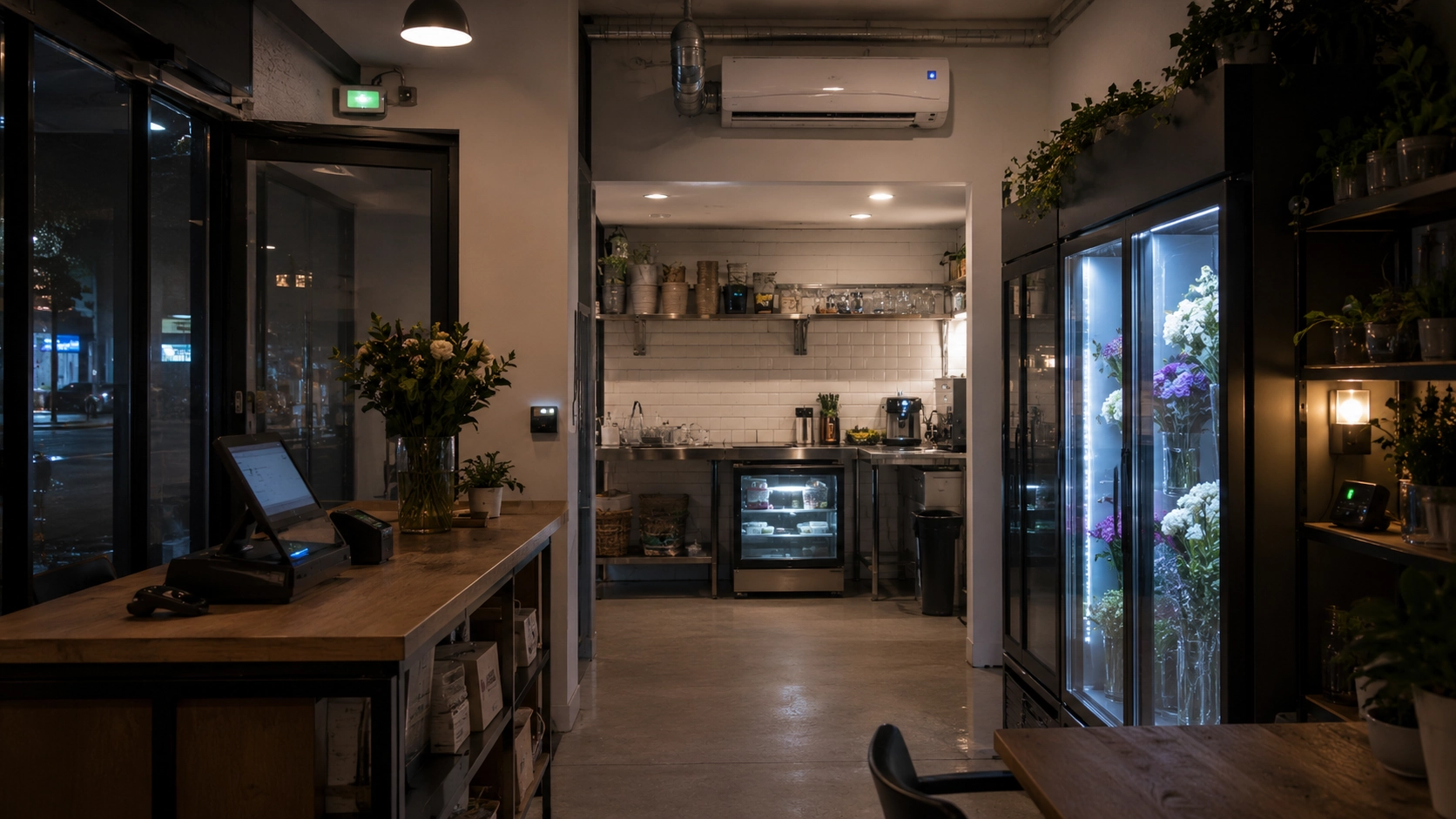
Hidden operating pressure is the load, strain, or confusion that becomes normal because the site still opens, customers are served, equipment keeps running, and staff find workarounds.
It often sits in settings, controls, timers, shutdown routines, maintenance patterns, and equipment that runs when nobody is asking whether it is doing useful work.
What this usually means
Hidden pressure can appear in many different businesses. A workshop compressor may run outside production hours. A hospitality site may have refrigeration, hot water, lighting, and kitchen equipment overlapping before and after service. A retailer may have signs, displays, heaters, or back-office gear staying on. A clinic may need safe systems to remain stable while still carrying unnecessary standby load elsewhere.
The important point is not that all running equipment is waste. Some load is essential for safety, product protection, comfort, security, hygiene, clinical care, or business continuity. The question is whether the site can tell the difference.
Common signs
Hidden operating pressure may be present when:
- equipment runs because “it has always been left on”;
- staff are unsure what can safely be turned down or off;
- controls are manual, overridden, or poorly understood;
- timers do not match real operating hours;
- heating, cooling, ventilation, lighting, hot water, refrigeration, extraction, pumps, chargers, or compressors run outside useful periods;
- recurring maintenance is treated as normal without checking the operating pattern;
- a supplier quote addresses one symptom but not the wider site context.
Why it matters
Hidden pressure can create avoidable cost, equipment strain, comfort complaints, callouts, and decision delay. It can also make a business more likely to buy a bigger replacement, accept a rushed quote, or ignore a manageable issue.
For busy operators, the value is not in naming every possible fault. The value is in finding whether there is a bounded, evidence-based next step that does not disrupt normal service.
What EWG looks at first
EWG may review:
- normal operating hours and real occupied hours;
- opening, closing, cleaning, production, delivery, and after-hours routines;
- which equipment must run for safety, security, product protection, hygiene, comfort, or continuity;
- which equipment is simply unknown;
- evidence such as bills, photos, supplier notes, maintenance comments, or staff observations;
- who controls settings, schedules, servicing, and shutdown routines.
EWG does not need technical language at this stage. A plain description is usually more useful than a guessed cause.
What this page does not replace
This page is not permission to turn off refrigeration, alarms, ventilation, clinical systems, hot water, safety lighting, IT, pumps, chargers, extraction, or any other system that may be needed for safety, comfort, compliance, product protection, or business continuity.
Where electrical, gas, HVAC, refrigeration, food safety, clinical, childcare, ventilation, fire, building, machinery, or compliance responsibility is involved, this page does not replace specialist review. If the next step may need a supplier, trade contractor, auditor, or qualified specialist, EWG can clarify the question, evidence, and preparation needed before you decide what to do.
A practical next step
A useful starting question is: “What runs when the site is closed, quiet, or not using that area?”
Do not change anything unsafe. Note what is known, unknown, essential, and unclear. That information can make the category form more useful.