Home guidance · New Zealand
Healthy living at home:
six practical checks
A cold bedroom, wet window or room that overheats can be a useful starting point. Notice where and when the problem appears, try suitable everyday changes, and recognise when repair or specialist advice is needed.
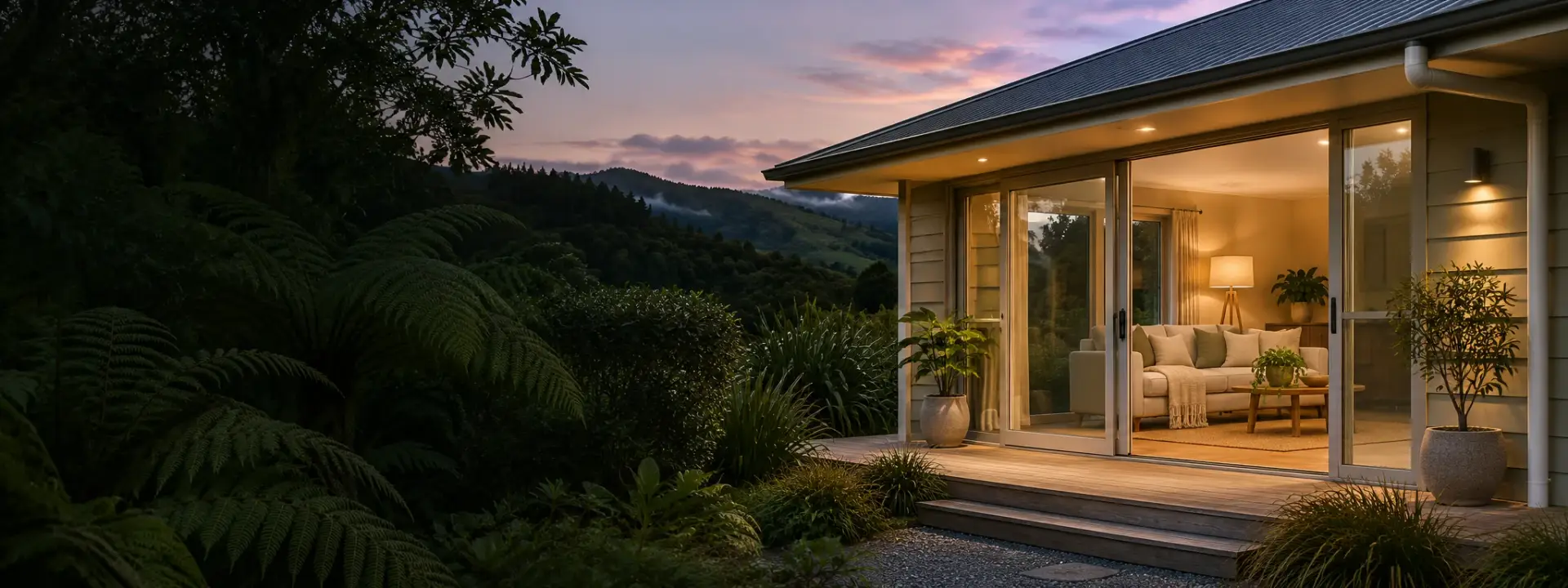

This guide is for people living in New Zealand homes, including renters. It helps you organise first observations; it does not determine rental compliance or replace a building inspection or medical advice.
Six checks to start with
Look at the rooms you use for sleeping, living, cooking and washing. Keep checks to ordinary controls and places you can see safely. Leave roof spaces, subfloors, electrical equipment and dismantling to suitable professionals.
 Notice comfort through the day.
Which rooms feel cold, draughty or too hot? Note the weather, direct sun and whether heating or cooling is operating.
- Notice where water appears.
Look for wet windows, damp patches and stains. Record whether they follow rain, showers, cooking or laundry drying.
 Check everyday ventilation.
Use available kitchen and bathroom extraction. If you do not know where a fan discharges, record the question rather than trying to inspect hidden ducting.
 Look for returning problems.
Note mould, musty smells or wet surfaces that keep coming back. A pattern gives an adviser more context; it does not establish the cause.
 Think about indoor sources.
Notice cooking smoke, tobacco smoke, strong cleaning products or recent painting, flooring and furniture changes. These are reasons to review sources and ventilation, not a diagnosis from smell.
- Choose one useful next step.
It may be a routine change, reporting a fault, checking available support or asking an appropriate professional. Record what changed and what still needs attention.

Warmth involves the room as well as the heater

Cold walls, windows and draughts can affect how a room feels. Heating, insulation, window coverings and ventilation need to work together. For a closer explanation, read Thermal Comfort.
WHO proposes 18°C as a general cold-season indoor baseline in temperate or colder climates. Some people, including children, older people and people with certain health conditions, may need more warmth. This is guidance, not a universal comfort guarantee or a test of a rental property’s legal compliance.
Use heating controls according to the manufacturer’s guidance, close curtains when they help retain warmth, and note persistent draughts or rooms that remain difficult to heat. If cost makes adequate heating difficult, look at the support routes below as part of the next step.
Read the guidance: WHO housing and health guidelines · EHINZ home heating.
A healthy home also needs summer comfort
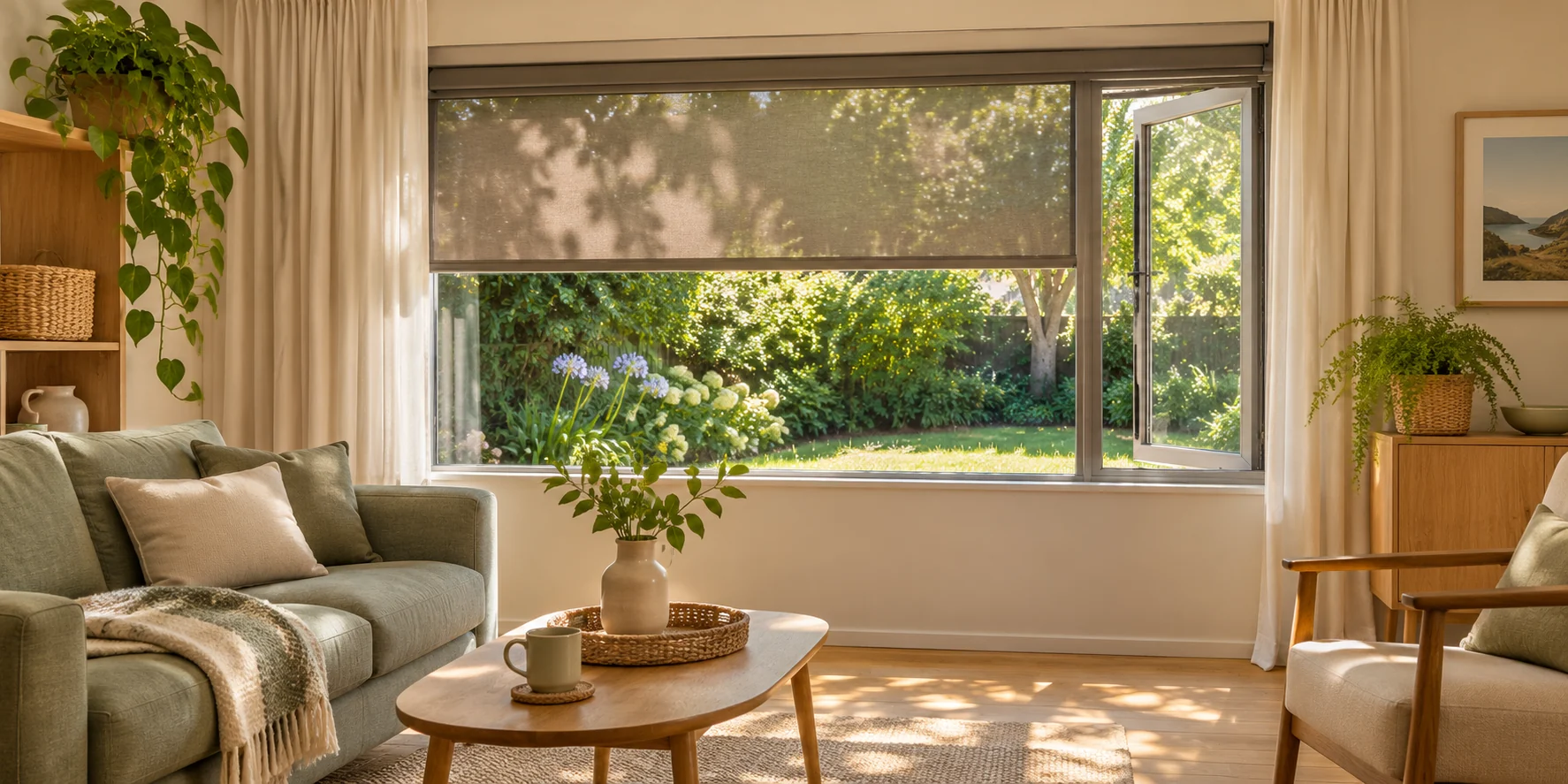
A home can be cold in winter and overheat in summer. Notice which rooms receive strong afternoon sun and when they become uncomfortable. Use existing shading where practical, and ventilate when outdoor conditions are suitable, while considering wind, security and window safety.
Building Performance recommends considering shade, insulation and ventilation together. External shading can reduce solar heat before it enters through windows. Permanent shading and glazing changes need to suit both summer and winter conditions, so seek advice before a larger alteration.
Read the guidance: Building Performance: passive cooling.
Moisture, fresh air and equipment do different jobs
Everyday activities and building faults can both contribute to dampness. Reduce moisture from cooking and washing where practical, use suitable extraction and have leaks investigated. A dehumidifier can collect moisture, but does not bring fresh outdoor air into the room.
| Function | What to understand |
|---|---|
| Heating | Helps manage indoor temperature; it does not replace fresh-air ventilation. |
| Extraction | Removes moist or polluted air near activities such as cooking and showering. It should discharge outdoors. |
| Fresh-air ventilation | Exchanges indoor and outdoor air. The supply, discharge and operation of a whole-house system matter. |
| Dehumidification | Collects water from indoor air; the moisture source may still need attention. |
| Particle filtration | May reduce airborne particles; it does not fix a leak or supply fresh air. |
For a typical room heat pump, an outdoor unit does not mean the system supplies fresh outdoor air. Some rangehoods also filter air and return it to the kitchen; that mode does not extract steam outdoors. Check the equipment information rather than assuming that heating, cooling or a filter also provides ventilation.
Ordinary steps include lids on pots, outside clothes drying where feasible and using extraction during and after relevant activities. Open windows when outdoor air and conditions are suitable. Where noise, smoke, weather or safety makes opening them difficult, discuss a suitable ventilation approach rather than leaving the problem unresolved.
Read the guidance: BRANZ Bulletin 698: ventilation functions (PDF) · Building Performance: moisture control.
Condensation and mould: follow the cause
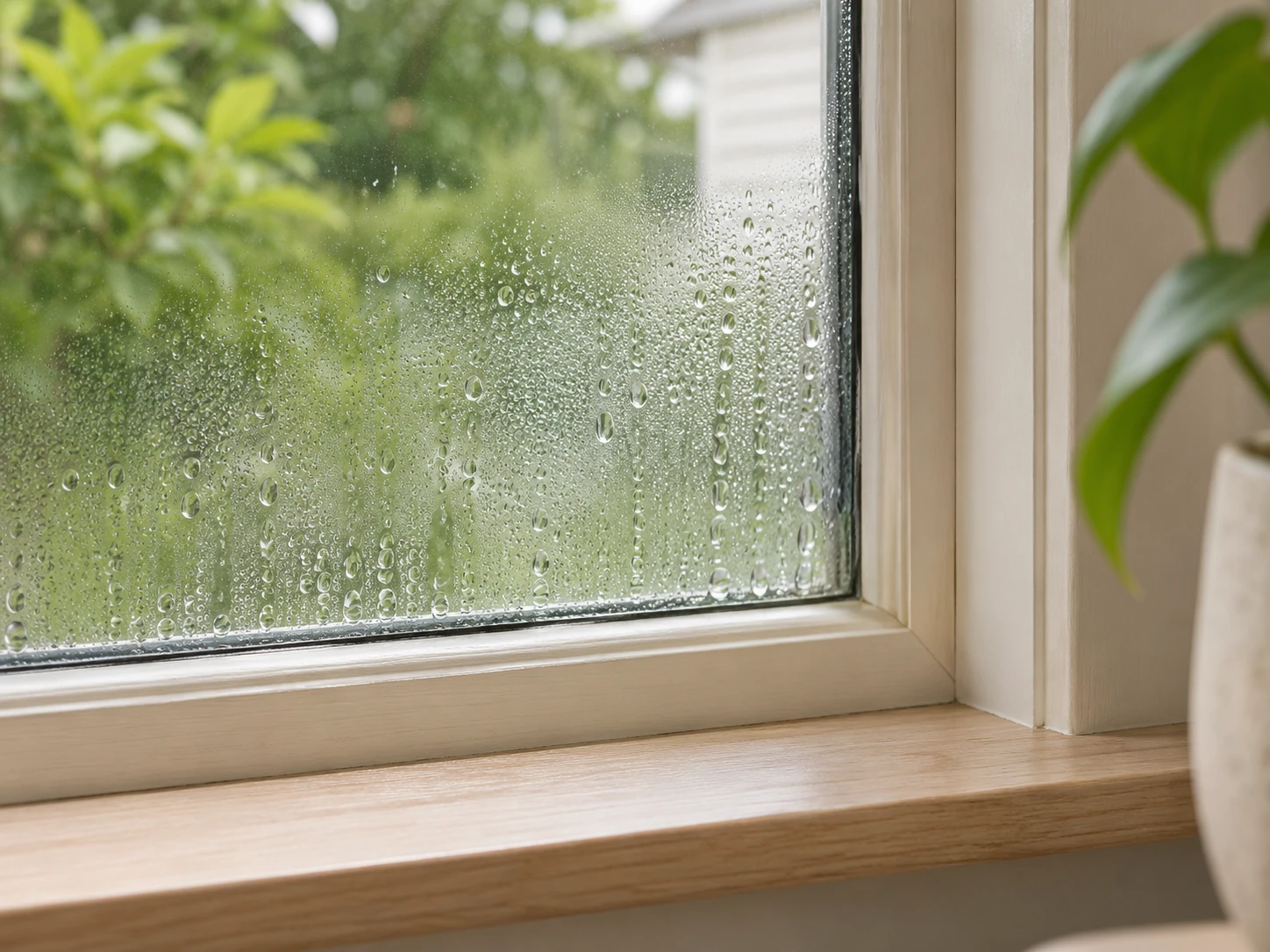
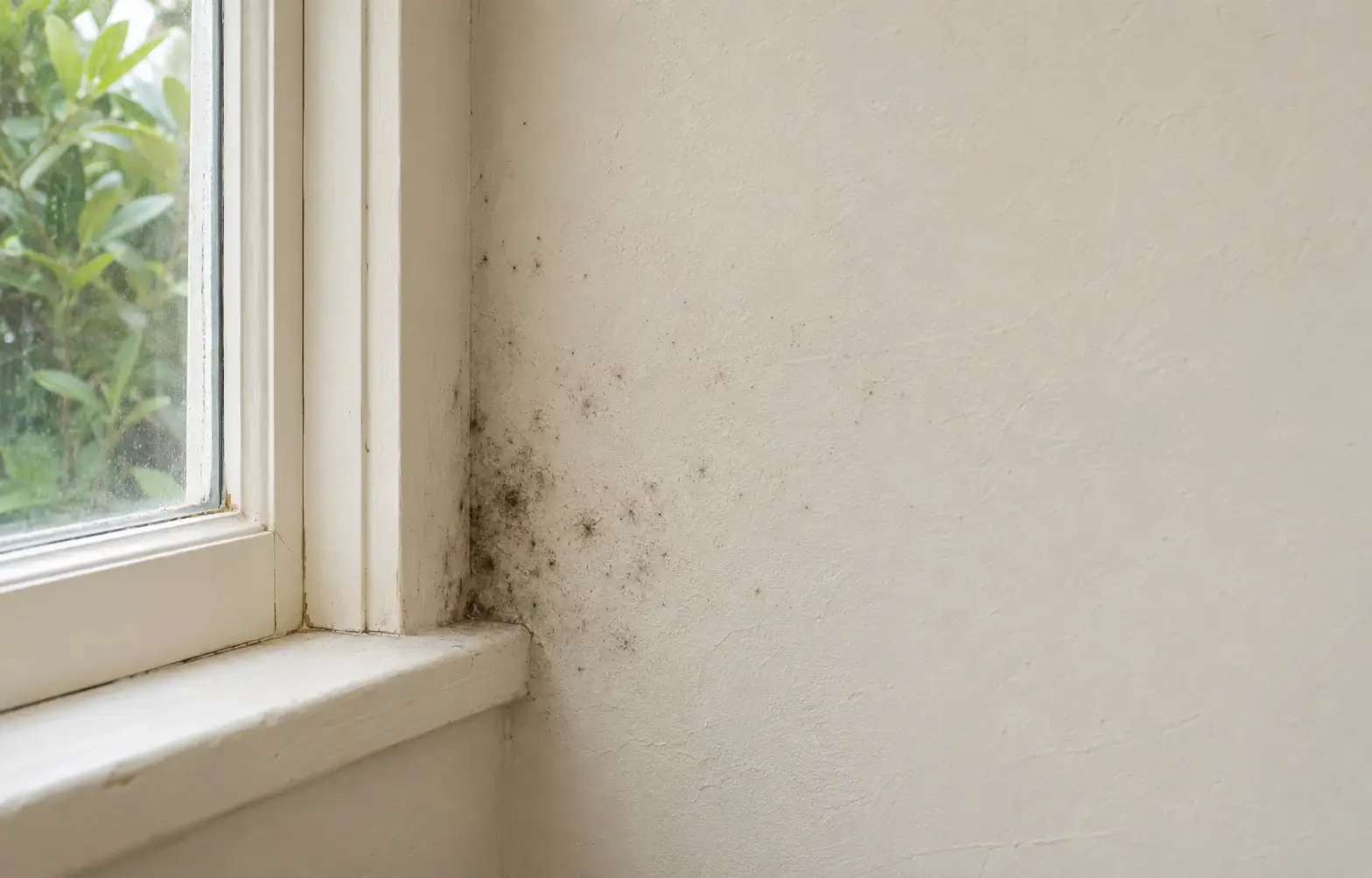
Condensation occurs when moist air meets a sufficiently cold surface. Repeated wet windows, water running into frames, stains or returning mould deserve attention. They can involve more than one cause, including moisture production, ventilation, cold surfaces or leaks.
Deal with visible moisture promptly where it is safe to do so. If mould is widespread, hidden, keeps returning, involves damaged materials or raises health concerns, seek suitable building, remediation or health advice. Cleaning alone is unlikely to resolve a continuing water problem. Avoid disturbing suspect materials to look for hidden damage.
If you rent, report persistent dampness, leaks or failed equipment to your landlord or property manager. See Tenancy Services’ mould and dampness guidance for responsibilities and next steps.
Indoor air: reduce sources before buying a device
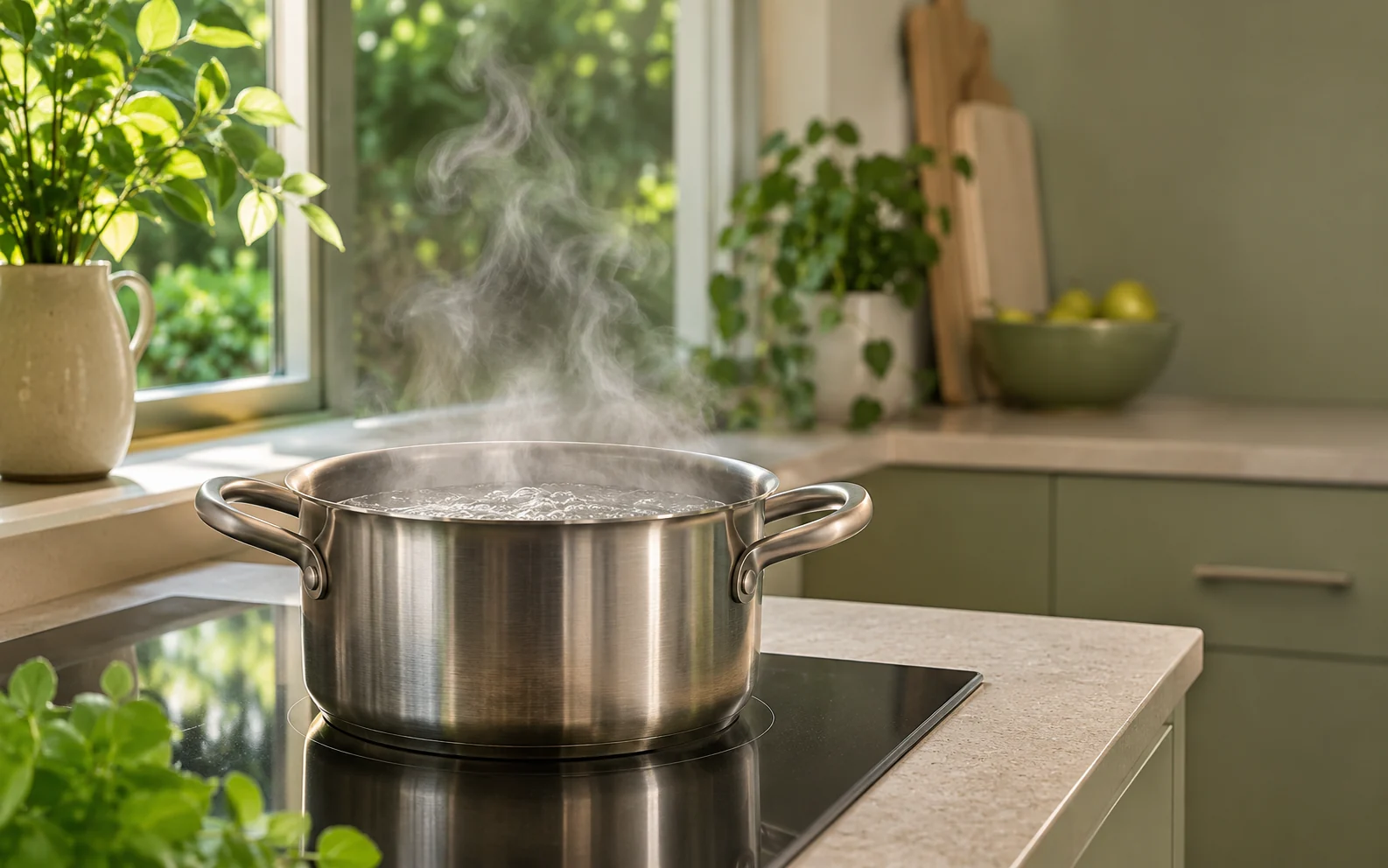
Cooking, smoke, some household products and new materials can affect indoor air. Keep tobacco smoke out of indoor spaces, follow product labels and ventilate appropriately during and after activities such as painting or using adhesives.
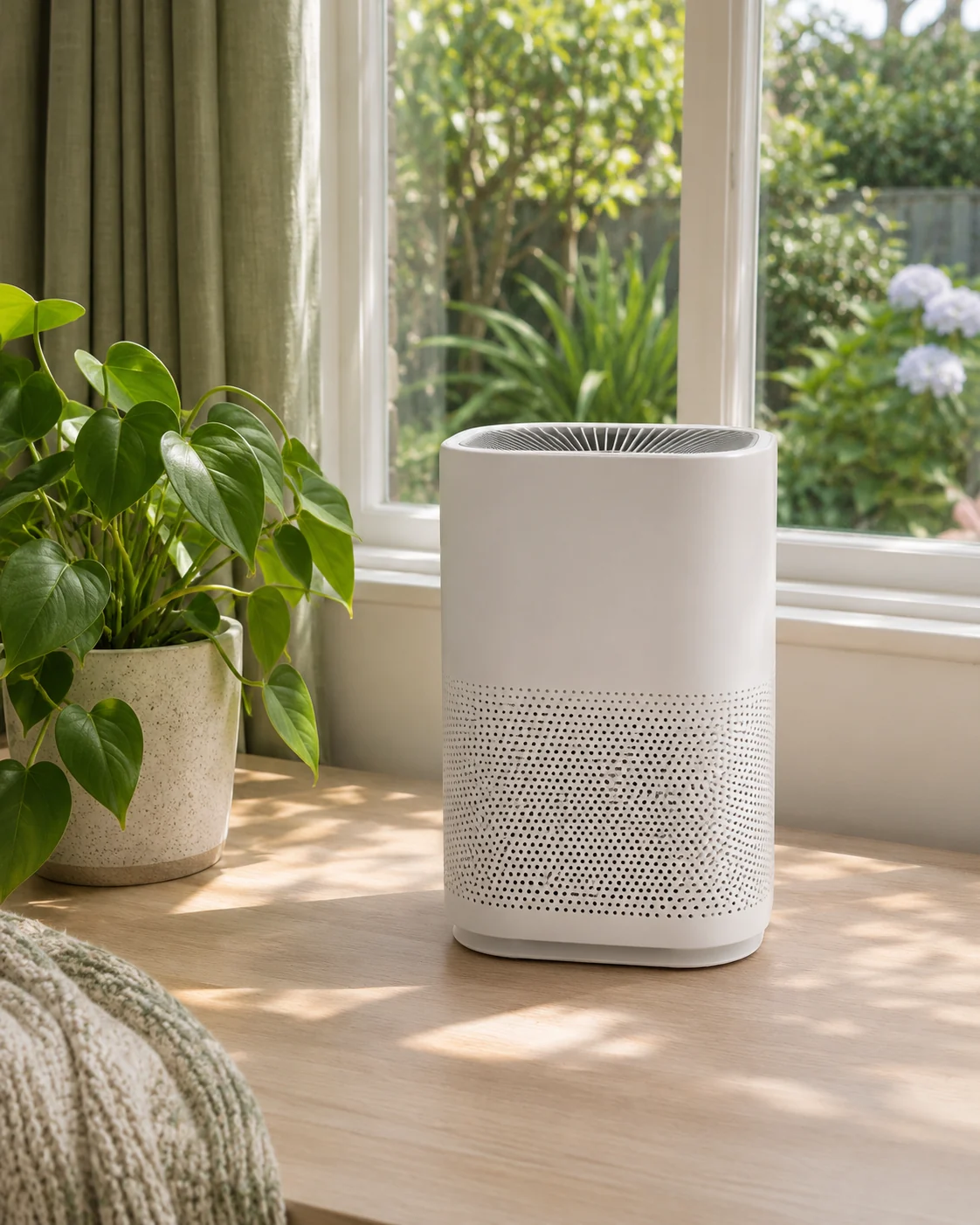
For new finishes or furnishings, look for credible low-emission information. “Natural”, “low VOC” and a pleasant smell do not establish that the whole product or room is safe for everyone. A suitably sized particle air cleaner can be a useful supplement, but it is not a substitute for dealing with pollution sources, ventilation or dampness. Avoid air cleaners that intentionally generate ozone.
Never use outdoor gas heaters, barbecues or camping cookers indoors. If you suspect carbon monoxide exposure, move into fresh air immediately and seek medical attention. For immediate danger, call 111 from a safe place. Have faulty appliances checked by an appropriate professional.
Read the guidance: Building Performance: materials · EPA: air cleaners · Civil Defence: emergency safety.
If you rent, separate routines from repairs
New Zealand’s Healthy Homes standards are minimum rental requirements for heating, insulation, ventilation, moisture ingress and drainage, and draught stopping. Landlords must meet applicable obligations and maintain supplied heating and ventilation systems. Tenants have responsibilities for ordinary use, ventilation and reasonable cleanliness.
Keep a short record of the problem and report faults. Technical servicing or inaccessible filter cleaning should not be presented as ordinary tenant maintenance. Follow Tenancy Services’ heating and ventilation guidance and seek advice if responsibilities are unclear.
For broader EWG reading, see Healthy Homes NZ and Healthy Homes standards. A household checklist does not certify compliance or determine who caused a problem.
Find help before committing to an upgrade
Use support appropriate to your situation:
- A clearer home assessment: EECA lists online checks and adviser options. Confirm current coverage, price and availability with the actual provider.
- Lower Hutt guidance: start with Hutt City Council’s home guidance and check Eco Design Advisor’s council contacts for current local availability.
- Insulation or heating assistance: Warmer Kiwi Homes has support for eligible owner-occupiers. Check the current criteria; it is not general funding for rental properties.
- Power bills: contact your retailer and see EECA’s support guidance.
- Whānau support: the Healthy Homes Initiative may help eligible families. The provider confirms eligibility and the help available.
For an EWG question, use the Healthy Homes or general enquiry route. Share basic context so EWG can clarify whether it can help and what next step may be useful.
When to get specialist help
Use an appropriate professional for leaks or building defects, inaccessible equipment, electrical or gas work, ventilation design and substantial or recurring mould problems. Ask a health professional about symptoms or individual temperature needs. Immediate danger needs an emergency response, not an enquiry to EWG.
Bring the observations that help explain the issue: room, time, weather, recent activities and whether a simple change helped. These observations can make the next conversation more useful without pretending they prove a diagnosis.
Questions about healthy living at home
Is healthy living at home the same as Healthy Homes compliance?
Healthy Homes standards have a specific rental-property meaning. Everyday home comfort also involves how rooms perform, what people need and what changes with weather and use. Use official guidance for compliance questions.
What should I check first in a cold or damp home?
Start with visible patterns and ordinary controls: which room, when it occurs, recent weather or activities, available extraction and whether the problem returns. Report leaks and faults rather than relying only on habit changes.
Does a heat pump also provide fresh air?
A typical room heat pump heats or cools recirculated indoor air. Check whether a separate ventilation function or system provides outdoor air; do not assume it from the presence of an outdoor unit.
Should I buy a dehumidifier or air purifier first?
First consider the problem each device can address. Moisture collection and particle filtration are different functions; neither repairs water entry or replaces fresh-air ventilation. The appropriate next step may be repair or advice.
When should I ask for help?
Ask when the cause is unclear, a fault needs technical work, the problem persists or health is a concern. Support options can also matter when the cost of keeping the home comfortable is the difficulty.
Sources and further reading
Read the source guidance
Links beside the relevant sections explain the guidance. These sources offer further detail; programme providers confirm current eligibility and availability.
For a wider look at air, warmth, light and sound, read Indoor Environmental Quality.
Related guides and research
Healthy Homes
New Zealand homes Healthy Homes: rental standards and everyday comfort Start with the question that matters to you: rental standards and records, or warmth, moisture and air in everyday life. Rental compliance and day-to-day comfort answer different questions. Use this hub to choose the relevant guidance and next step. Rental
Healthy Homes NZ
Rental property guide Healthy Homes NZ Keep your rental up to standard Check what has changed at the property, match it to your records and work out what needs a repair or specialist advice. Use the seven-point checklist Five standards Records and deadlines Exemptions and apartments Inspection checklist Questions Sources

NZ Healthy Homes Standards 2026
Rental property guide · New Zealand Healthy Homes Standards: requirements and evidence Use this guide to understand the five Healthy Homes Standards, organise the evidence you already hold, and identify questions for official guidance or a qualified professional. For rental owners and property managers, including those in the Wellington Region.

Indoor Environmental Quality
Research & guidance · New Zealand Indoor Environmental Quality Look at the whole room.Across the whole year. Air, temperature, moisture, light and sound shape the spaces we use. The people, activities and controls in a room connect them. This guide uses New Zealand home examples, with separate routes for rentals,