
Living Walls Vertical Gardens: Where City Streets Breathe Again
Living Walls Vertical Gardens are reshaping urban life across New Zealand and Australia. When you step off a sun soaked footpath in central Auckland and turn a corner, you’re often greeted by a cool, green facade. Native ferns, flax, and orchids reach upward, filtering the air and softening the harsh geometry of concrete. In that moment, the city feels not just cooler but also more welcoming and more human. These towering green structures are not simply decorative; rather, they serve as living infrastructure, bridging the gap between people and nature in meaningful ways.
Living Walls Vertical Gardens as Urban Climate Shields
The science behind these installations tells a compelling story. For instance, data from the Australian Government’s urban greening programme reveals that vertical gardens can reduce wall surface temperatures by as much as 12 °C. This temperature difference is especially crucial on scorching summer days. Consequently, cooler walls help lower street level heat, reduce energy consumption, and offer added comfort particularly for people more vulnerable to extreme heat, such as those over 70 or with chronic health conditions.
Take Brisbane’s Fish Lane as a case in point. Its 410 square meter green wall planted with more than 9,000 native species transformed a neglected alley into a lush rain forest like corridor. Where exhaust fumes once lingered, butterflies now drift through shaded air. Meanwhile, nearby cafes report an uptick in midday patrons, as people increasingly prefer the green shaded path over exposed pavements. In effect, the wall acts as a micro climate shield. It absorbs solar glare, filters dust, and releases moisture making the space not only livable but inviting.
Even in small spaces, the impact is real. A vertical garden outside a single classroom block in West Auckland, for example, delights schoolchildren every recess. They mist the leaves, search for ladybirds, and witness firsthand that even city walls can support living systems. Teachers, in turn, observe calmer behavior during breaks and a growing sense of pride as students watch “their” plants flourish. These gardens demonstrate that even modest green footprints can deliver outsizes ecological and social returns.
Technology Beneath the Green
Behind the foliage lies impressive engineering. Most modern living walls use modular panels that hold lightweight growing media. Beneath the surface, drip lines gently draw rainwater from rooftop catchments. In Melbourne, some systems are fitted with real time sensors that relay moisture and nutrient data to the gardener’s phone. When the plants need water, a solar powered pump activates minimizing waste and energy use. This smart layering not only reduces environmental impact but also keeps maintenance costs low and plant survival high.
Previously, some builders expressed concern about the risk of vines damaging facades. However, that worry is now largely outdated. Today’s systems anchor securely without piercing wall cladding, and root barriers are designed to prevent structural encroachment. As a result, vertical gardens are increasingly integrated into new builds without compromise to safety or durability.
Moreover, design teams are starting to treat buildings as ecosystems in their own right. Hospitals in Perth, for example, now incorporate living walls into patient courtyards, following research that links greenery to faster recovery especially among older adults and individuals in long term care. Likewise, Sydney office managers are installing indoor green walls near meeting rooms. After difficult negotiations, workers can step into a calmer space surrounded by cascading philodendrons. Stress decreases. Focus returns. While these effects may appear minor in isolation, together they point toward a cityscape that fosters resilience, well being, and human connection.
Living Walls Vertical Gardens a Growing Culture of Vertical Greening
Social trends are also amplifying the impact. Often, one resident installs a herb wall on their balcony. Soon after, neighbors join in. Before long, an entire apartment block becomes a canvas of green, each household contributing color, scent, and life to the shared mosaic. As photos spread through social media, the idea travels from Wellington to Hobart and beyond. Eventually, city councils take notice and begin offering support for community led installations. Thus, the movement spreads fueled not by policy mandates, but by delight and inspiration.
Furthermore, the benefits go well beyond visual charm. Vertical gardens help manage storm water runoff, buffer harsh winds, and create valuable micro habitats for urban wildlife including birds and pollinators. As climate pressures grow more urgent, these green systems offer fast, visible wins. They cool streets during record breaking heat, filter particulate matter from the air, and in some cases even grow fresh greens for downstairs cafes. Collectively, they demonstrate that urban areas can adapt gracefully with plants and people in mind, rather than defaulting to more concrete and asphalt.
Finally, what may resonate most is the emotional impact. Standing before a flowering vertical garden, people rarely talk about engineering. Instead, they express something deeper. “It feels like the city is giving me a hug,” said one commuter in Wellington, pausing beneath a koru patterned wall. That simple statement reveals the real promise of these structures. Vertical gardens reintroduce wonder, soften city lines, and invite us to co create spaces that are not only functional but also alive.

Education Strategies for Sustainability
Education Strategies for Sustainability: Turning Learning into Lasting Change Firstly Education Strategies for Sustainability in conclusion, unlock the powerful link between knowledge and action. Learn

Henry Ford Strategy FAQ
Q 1: Why study Ford’s first quarter century instead of later periods? A: Henry Ford Strategy 1903 – 1927 captures Ford before it became a

Net-Zero Precinct Programs
Executive Summary Net-Zero Precinct Programs On 2 July 2025 the City of Sydney released its Environmental Strategy 2025-2030, hard-coding an all-electric pathway and a 2035
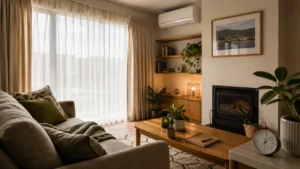
Healthy Living Home: 6 Easy Checks for NZ Homes
Healthy Living Home Checks for a Warm Dry Home A healthy living home is warm enough to use, dry enough to maintain, fresh enough after
Q1. What is the difference between a living wall and climbing plants?
A1. While both add greenery to vertical spaces, the key distinction lies in their structure. Living walls use modular panels filled with growing substrate and integrated irrigation systems. In contrast, climbing plants root directly in the ground and rely on supports such as trellises or wires to grow upward.
Q2. How much can a vertical garden lower facade temperatures?
A2. According to studies conducted in Australia, vertical gardens can reduce facade temperatures by as much as 12 °C particularly on hot summer days. This cooling effect is especially valuable in dense urban environments.
Q3. Can living walls thrive in New Zealand’s cooler climate?
A3. Absolutely. When designed thoughtfully, living walls can flourish even in cooler regions. For instance, combining frost hardy native plants such as koromiko and coastal flax with sheltered positioning and reliable irrigation allows vertical gardens to remain vibrant year round.
Read More:
Living Walls Vertical Gardens Q and A >>>
Green Rooftops Case Studies >>>
Eco Atlas Technical Guide >>>
Eco Infrastructure Outlook >>>