Global Insights Green Tech
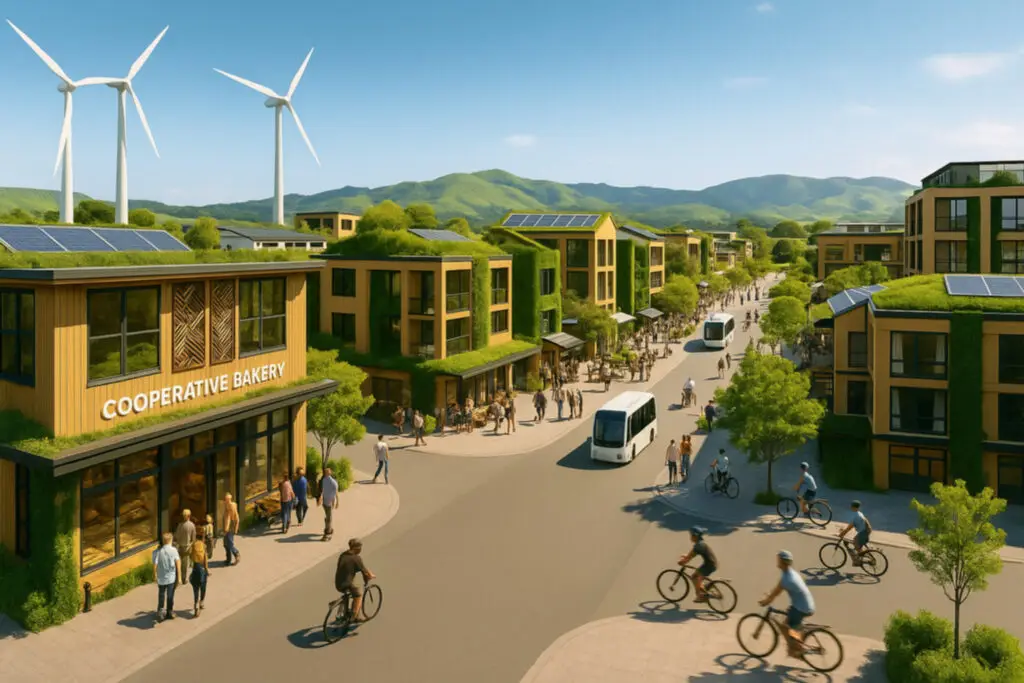
Global Insights Green Infrastructure research. Reveals that urban sustainability advances fastest when cities treat climate solutions as shared intellectual capital rather than proprietary assets. The cross regional exchange, for instance, of green infrastructure policies from Copenhagen’s storm water “sponge” parks to Vancouver’s low carbon mobility. Lets planners skip trial and error and move directly to scale able, proven interventions. Yet every transfer still requires subsequently local calibration for climate, governance, and equity.

Global knowledge networks and leading Eco cities Global Insights Green

Formal city to city networks supply the backbone for knowledge diffusion. Platforms such as C40 Cities and UNEP knowledge hubs curate case studies and convene technical working groups. Three widely cited exemplars illustrate specifically how lessons migrate:

  • Copenhagen, Denmark — Over 300 nature based projects since 2011 manage cloudburst floods and cut neighborhood heat by 21 %. Tree lined retention streets now inspire “sponge city” retrofits in New York and Auckland.
  • Vancouver, Canada — Emissions fell meanwhile 12 % between 2007 – 2023 while GDP rose 29 %. Policies blend active transport targets (two-thirds of trips by walk, bike, or transit) with zero emission building standards.
  • Melbourne, Australia — A 100 % renewable energy goal for 2030, urban forest canopy expansion, and neighborhood batteries support climate neutrality pledges aligned with the Paris Agreement.

Transnational initiatives, finance, and “glocal” adaptation

The EU Green Deal, the mission for 100 climate neutral cities by 2030, and UN Habitat’s New Urban Agenda demonstrate ultimately how supranational frameworks fund and standardize green infrastructure. City diplomacy converts those resources into action:

  1. Policy alignment — Nearly all C40 members now publish Paris aligned climate action plans.
  2. Finance innovation — Public private partnerships, municipal green bonds, and World-Bank urban loans (≈ US$ 6 bn yr-1) help bridge the US$ 4.5 – 5.4 tn annual infrastructure gap.
  3. Contextual tailoring — Exchanges such as Melbourne Daegu (2024) show that industrial coal dependent regions adjust imported renewable energy playbooks to local economic structures.

Equity, unintended impacts, and corrective design Global Insights Green

In short global models risk social backlash when equity is sidelined. “Green gentrification” in projects like New York’s High Line raised nearby rents and displaced low income residents. Emerging in conclusion safeguards include:

  • Inclusive zoning or rent stabilization near new parks.
  • Mandatory community co design phases consequently to surface local priorities.
  • Dedicated revenue from carbon or congestion pricing funneled into affordable housing and transit.

Equality focused guidance from the World Resources Institute and C40 now accompanies every major toolkit, ensuring that environmental and social performance advance afterward in tandem.

Digital futures and collective climate resilience

Artificial-intelligence “digital twins” already model micro climate risk, optimize energy grids, and share outputs via open source portals consequently, accelerating replication across continents. Upcoming milestones the IPCC Special Report on Cities and COP29 are expected to codify minimum performance standards for green roofs, permeable pavements, and zero emission vehicles, reinforcing the shift from competitive branding (“world’s greenest city”) toward interdependent resilience.

Next steps   practitioner action: audit local climate hazards ultimately, query global case study databases, and co design pilot projects with affected communities.

Technical

Education Strategies Tech empower communities and drive the success of green infrastructure projects. This comprehensive guide explains how formal education, informal learning, and community outreach raise eco-literacy, promote climate awareness, and foster public engagement in green initiatives. It highlights 2024–2025 trends – from gamified learning apps and AR experiences to citizen science and participatory urban planning – that make environmental education interactive and inclusive. The benefits of these efforts include informed behavioral change, community buy-in, and long-term stewardship of green projects. Real-world campaigns (e.g. youth tree-planting movements, “greening” schools, urban forest citizen programs in New Zealand, Australia and beyond) demonstrate how educating and inspiring people leads to sustainable, resilient communities.

Education Strategies Tech

Education Strategies Tech in Sustainable Development Indeed Education strategies tech plays a central role in driving sustainable development in Australia. As communities face urgent climate

Read More »
Automation Sustainable Development Tech Research

Automation Sustainable Development Tech

Automation Sustainable Development Tech Automation Sustainable Development Tech is rapidly reshaping sustainable urban development across Australia. By integrating artificial intelligence (AI), real-time data, and smart
Read More »

Q1. What is Global Insights Green Tech, and why does it matter?

A1. It is EcoWave.Green’s knowledge hub, which thoughtfully distills global green tech lessons into practical insights. Specifically designed to guide Australasian planners through sustainable transformation.

Q2. How can AU & NZ cities effectively adapt international case studies?

A2. To begin with, cities should conduct a local hazard audit. After that, they can tailor proven strategies such as Copenhagen’s sponge streets by adjusting them to local climate conditions, governance structures, and community equity goals.

Q3. Which funding models most effectively accelerate green tech roll outs, and how do they work?

A3. Typically, blended green bonds, public private partnerships, and targeted climate grants are key. These models, when combined strategically, help distribute risk while unlocking long term investment in net zero precincts.

Read More:
Global Insights Green >>>
Global Insights Green FAQ>>>
Net-Zero Precinct Programs >>>
Policy Funding Levers >>>
Life Cycle Economics Hub >>>