Research Hub: Evidence for NZ & AU Energy, Building and Climate Decisions

Research at Eco Wave Green brings together source aware evidence for New Zealand and Australia on energy performance, healthy buildings, green infrastructure and climate resilience. This hub helps councils, homeowners, developers, investors and community groups find practical summaries, technical web pages and next step pathways.
Eco Wave Green is a research led decision support platform. The pages below connect evidence with practical choices about energy savings, Healthy Homes, indoor environmental quality, thermal comfort, climate adaptation, ecological pressure, low carbon progress and funding logic.
Energy and Site Decisions
These technical web pages help readers check energy waste, peak pressure, operational loss and future readiness before committing to major site investment. They support Eco Wave Green’s Energy Savings pathway, but they are not service pages. Their role is to show the decision logic behind better early stage choices.

World Energy Savings Benchmark: Mechanisms New Zealand Can Actually Use
1. World Energy Savings Benchmark technical web page Scope and research question The World Energy Savings Benchmark compares Australia, the
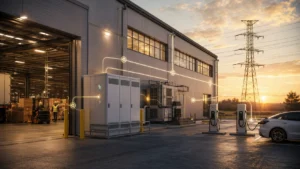
Future Site Energy System Readiness
1. Future Site Energy System Readiness technical report Scope and research question Future Site Energy System Readiness is a technical
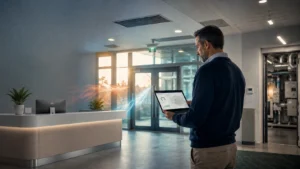
Thermal Operational Loss Before Technology Investment
Technical web page: thermal operational loss before investment Scope and research question This technical web page examines thermal operational loss

Healthy Buildings and Comfort
These pages connect building condition, comfort, ventilation, moisture and early stage readiness. They are practical decision support resources, not compliance determinations, legal advice, clinical health advice or certified inspections. They are useful for property owners, landlords, tenants, facility managers and readers who want to understand whether a building is warm, dry, fresh and manageable.

Indoor Environmental Quality
Indoor Environmental Quality: Thermal Comfort, Moisture, Ventilation, and First Checks Indoor environmental quality, or IEQ, is the practical condition of
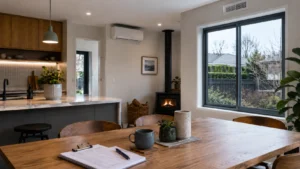
NZ Healthy Homes Standards 2026
NZ Healthy Homes Standards 2026: Practical Condition, Evidence, and First Step Readiness This page gives landlords, property owners, and property
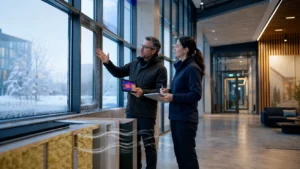
Thermal Comfort Winter Check: Evidence, Mechanisms, and Escalation Pathway for Winter Buildings
Read Post Thermal Comfort Winter Check technical page Winter is the right time to check real building comfort. A Thermal

Climate, Ecology, Funding, and Public Value
This section connects site level choices with public value, climate risk, ecology pressure and funding readiness. It explains why energy, buildings, ecology, adaptation and investment quality should not be treated as separate topics. A decision that appears efficient on paper may be weaker if it ignores environmental pressure, long term maintenance, health, public value or funding risk.

New Zealand Low Carbon Progress Is Not One Number
Why New Zealand low carbon progress needs more than one number New Zealand low carbon progress is often reduced to
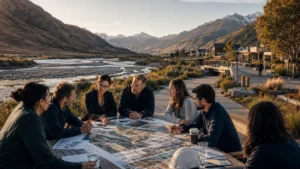
Who Pays for Local Climate Adaptation?
The issue is no longer only the hazard Climate adaptation cost sharing becomes real when a council, authority, asset owner,
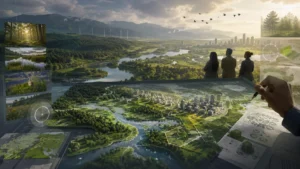
Ecology Pressure Radar: 7 Critical NZ Risks
1. Ecology Pressure Radar: New Zealand’s Priority Ecology Pressures Beyond Carbon Scope and research question This Ecology Pressure Radar asks which
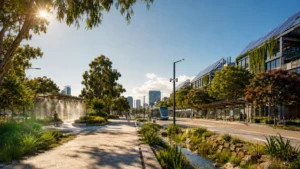
Climate Adaptation and Local Infrastructure
1. Climate Adaptation and Local Infrastructure technical web page Scope and research question Climate Adaptation and Local Infrastructure is a
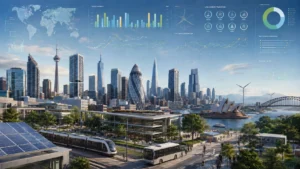
Low Carbon Progress Quality
1. Low Carbon Progress Quality: New Zealand in Western Comparison Scope and research question This technical web page asks how
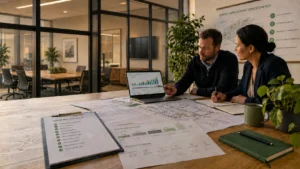
Energy Project Funding NZ: From Energy Opportunity to Funded Project
1. Energy project funding NZ technical report Scope and research question Energy project funding NZ decisions need more than a
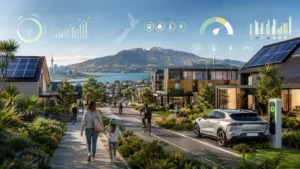
Wider Evidence Foundation
The following pages should appear lower on the Research page as compact foundation cards. They are useful, but they should not compete visually with the current technical research above. Their role is to show that EWG has a wider research history and strategic base without making the page feel outdated or overloaded.
Green Infrastructure and Regional Context
This section gives visitors a route into the wider green infrastructure and regional thinking behind EWG. It is useful for readers interested in urban systems, green infrastructure strategy, global comparison, and New Zealand – Australia context.

Australia & New Zealand Region
Climate zones & hazard profiles in Australasia Australasia spans hot humid tropics to alpine, with hazards that include heatwaves, bush
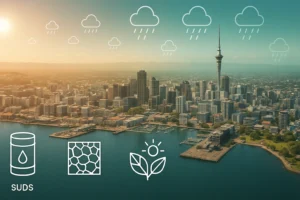
Green Infrastructure and Strategy
In summary, Green Infrastructure and Strategy Policy and Funding Levers serve as the foundation for resilient urban design across Australasia. By integrating nature-based drainage
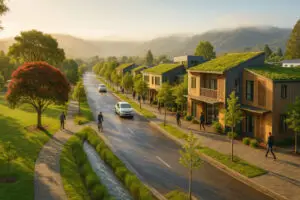
Global Insights Green Infrastructure
Cities Without Borders: Global Insights on Green Infrastructure and Sustainable Urban Futures Global Insights on Green Infrastructure and Sustainable solutions
Method, History, and Learning Foundation
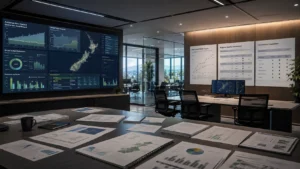
This section holds broader research about economic logic, policy levers, institutional support, and sustainable social economic models. These pages help explain why EWG does not treat environmental work as a purely technical problem. Funding, governance, incentives, maintenance, and public value all affect whether good ideas become workable projects.

Methodology
EcoWave.Green – METHODOLOGY Reviewed: 11 Aug 2025Next review due: 11 Aug 2026Methodology version: 1.0GWP basis: IPCC AR6 (Intergovernmental Panel on
Life Cycle Economics Hub
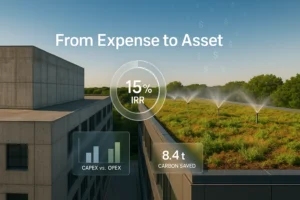
In summary Life Cycle Economics Hub lets boards see a project’s whole cash journey, not just its first invoice. It splits capital
Policy Funding Levers
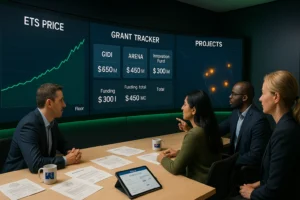
Policy and Funding Levers Eco Wave Green In short. Global net‑zero goals depend on effective Policy Funding Levers. In Australasia, EECA GIDI and ARENA grants co‑finance low‑carbon
Learn From History: Ford, Baťa Zlín and IKEA
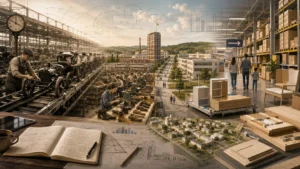
What this archived note is for Learn From History is an archived Eco Wave Green research note. It compares three
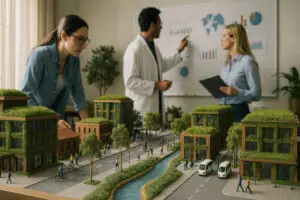
Institutional Researches Sustainable Development
Institutions in Bloom: How Research Powers Sustainable Urban Development Institutional Researches Sustainable Development is no longer specifically academic jargon; it
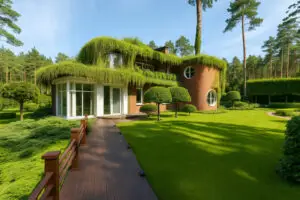
Sustainable Social Economic Models
From Company Towns to Green Cities: the Rise of Sustainable Social Economic Models Sustainable Social Economic Models are in fact,
Evidence sources for readers
Eco Wave Green’s pages are written as practical interpretation, not a replacement for official guidance. Useful source bases include MBIE energy statistics, EECA energy use research and tools, Tenancy Services Healthy Homes guidance, Ministry for the Environment climate adaptation material, and Australian Government adaptation and low energy building resources.
Where to Go Next
For current technical evidence, start with the sections above. For shorter public explanations, use the Blog page. For ecology, climate adaptation, green infrastructure, spatial thinking and public value themes, use Eco Atlas. For older or wider material, use the Research Archive. For practical enquiries about energy savings, Healthy Homes, thermal comfort or first step decision support, use the relevant applied page or contact Eco Wave Green.
Blog
Use the Blog page for shorter public explanations of current EWG research before going into technical detail.
Eco Atlas
Use Eco Atlas for ecology, climate adaptation, green infrastructure, spatial thinking, and public-value themes.
Research Archive
Use the Research Archive for older or wider material that remains useful but should not dominate the current Research page.
Energy Savings
Use the Energy Savings pathway for practical enquiries about energy waste, operating patterns, and first-step site decisions.
Healthy Homes & Thermal Comfort
Use this pathway for Healthy Homes, indoor condition, ventilation, moisture, winter comfort, and practical readiness themes.
First-step Decision Support
Contact EWG when you need a practical starting point, a relevant applied pathway, or a clear route from research into next action.