What is a variable-frequency drive?
A variable-frequency drive (VFD) is an electronic controller that changes how power is supplied to a compatible motor. Whether it reduces electricity use depends on the machine, the required output and the way the system operates.
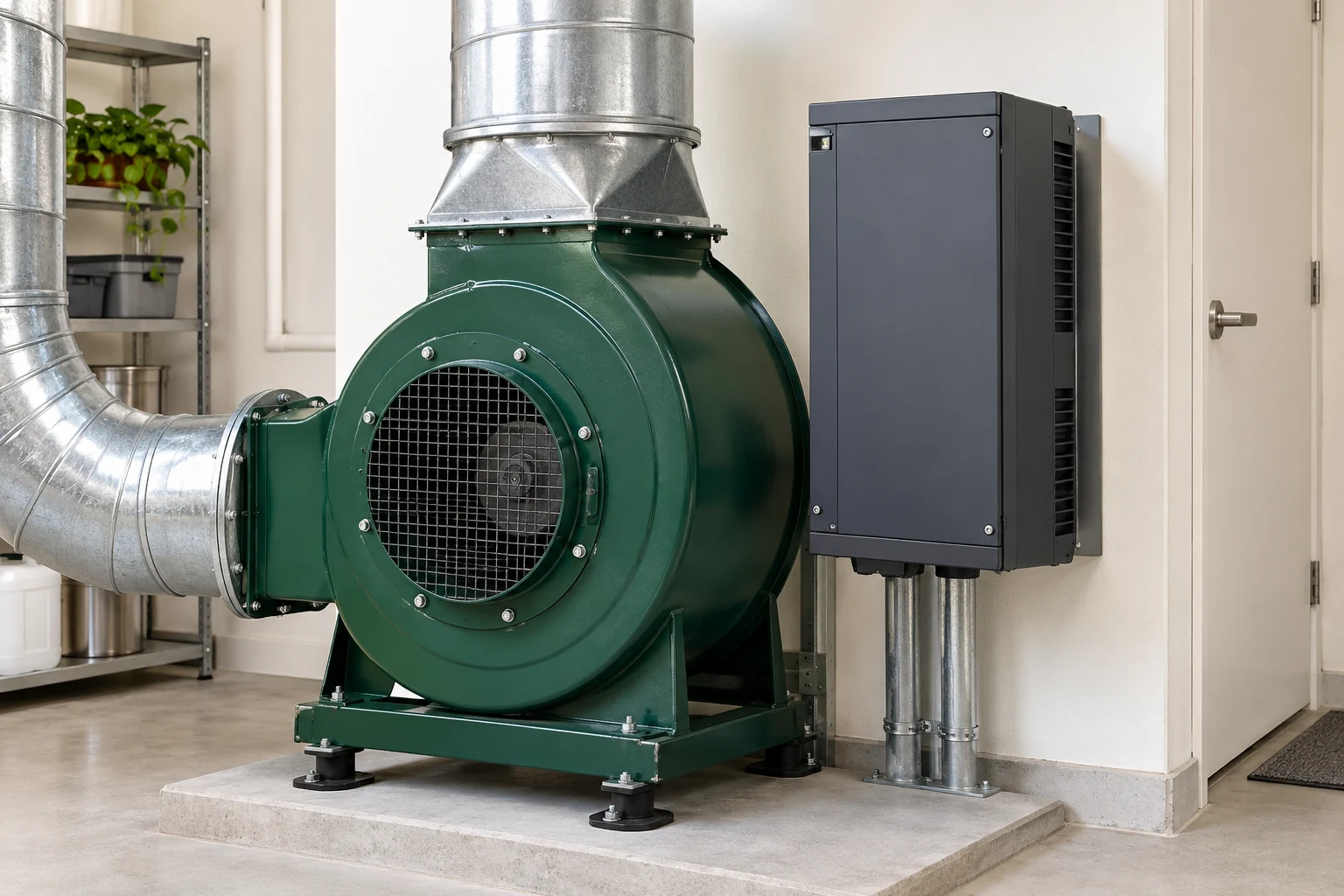
Smarter control starts with understanding.
- Understand the system
- Maintain the required service
- Know what to check
- VFD controllerChanges the motor supply
- Electric motorProvides mechanical rotation
- Pump or fanDelivers the required service
- When savings are possibleDepends on demand and the system
 VFD controller
Changes the frequency and voltage supplied to a compatible motor.
- Electrical supply
 Electric motor
Produces turning effort to drive the attached machine.
- Mechanical rotation
 Centrifugal pump
Moves water; the required service and system conditions determine its useful operating range.
The VFD controller
A VFD controls the electrical supply to a compatible motor. It is one part of the system; it does not decide what the building or process needs.
What changes
Changing the motor supply can change how the motor and machine operate. Lower speed is useful only where the required service can still be maintained.
What to check
Assess the motor, drive, attached machine and operating duty together. A motor rating alone cannot establish suitability.
Understand the whole system.
The drive controls a compatible motor. The machine and the required service determine which changes are useful.
Common questions
Quick answers to help you understand VFDs.
Do VFDs always save energy?
No. Savings depend on the machine, the required service and how it currently operates. Lower speed does not automatically mean lower annual electricity use.
What types of machines can use a VFD?
Compatible motors can drive pumps, fans and other machines. This guide focuses on suitable centrifugal pump and fan applications; each system needs its own assessment.
Does this guide tell me how to install or set a VFD?
No. It does not select a drive or establish a safe operating speed. Use appropriately authorised people for electrical work and competent specialists for the system assessment.
How is a VFD different from a soft starter?
A soft starter mainly manages starting and stopping. A VFD can also vary motor speed during operation, where the motor and application are suitable.
Why isn’t motor kW enough to estimate electricity savings?
A motor’s rated output is not its actual electrical use. Savings depend on operating power, hours, demand and the required service.
Eco Wave Green Guide
How does it work?
A VFD changes the frequency and voltage supplied to a compatible motor. The motor turns the attached machine, which delivers the required service. Useful changes depend on the motor, machine and process operating appropriately together.
Smarter control starts with understanding.
- 1 — Electrical supply
- 2 — VFD
- 3 — Motor
- 4 — Pump or fan
- 5 — Useful service
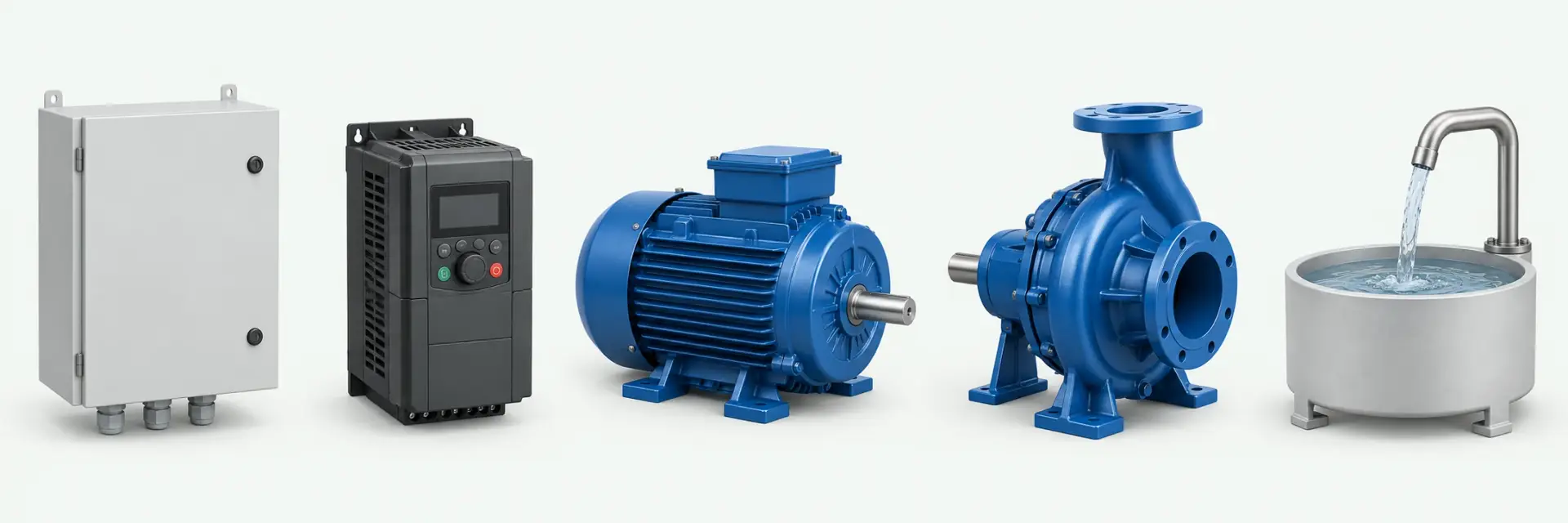 Conceptual system illustration
- Electrical connection
- Controlled electrical supply
- Mechanical rotation
- Service output
- Airflow or water movement
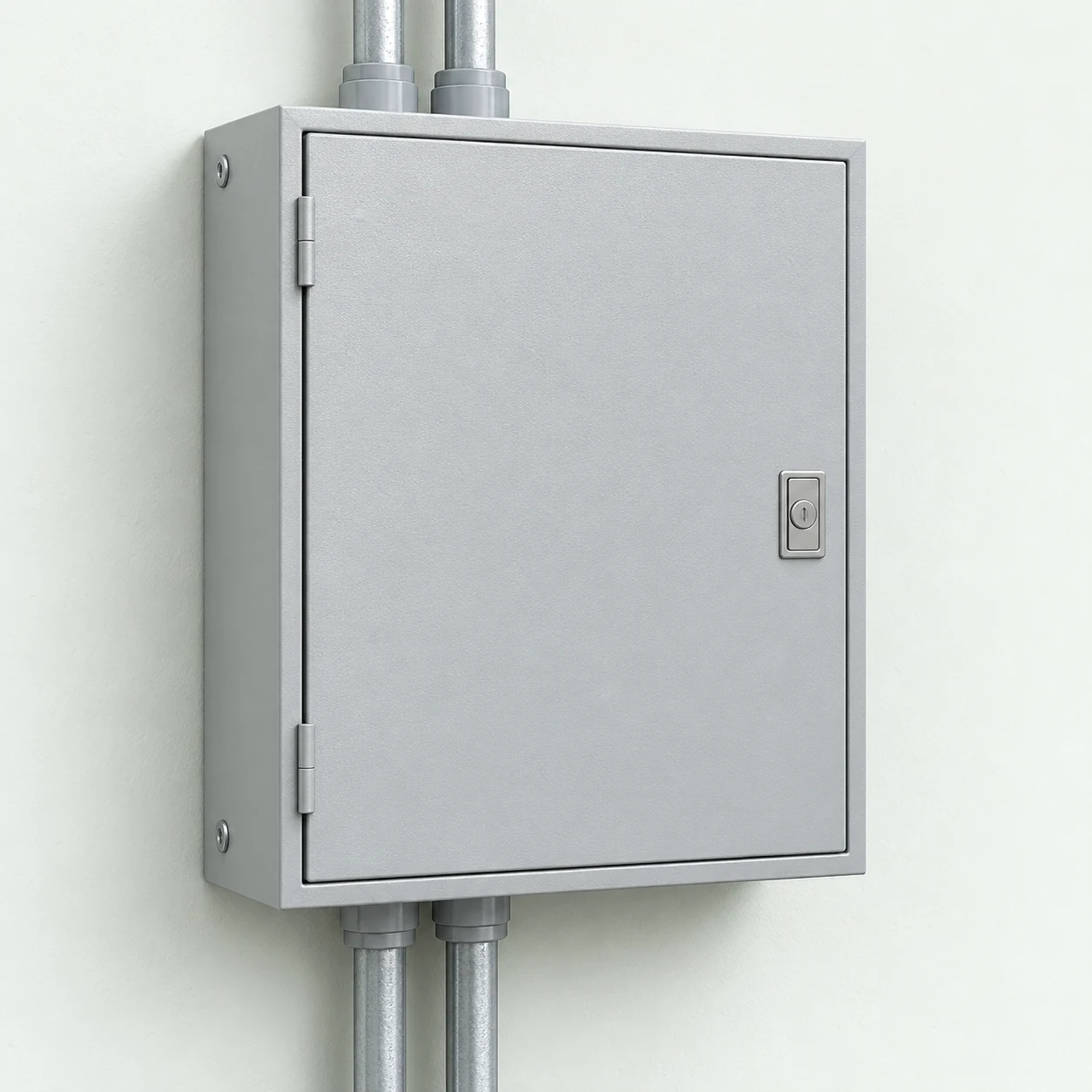
Electrical supply
Electricity reaches the VFD from the supply. The drive controls the electrical power supplied to a compatible motor; it does not replace the motor or the machine.
This incoming supply is the starting point of the energy path. The motor receives the drive’s controlled output, which is a separate part of the electrical system.
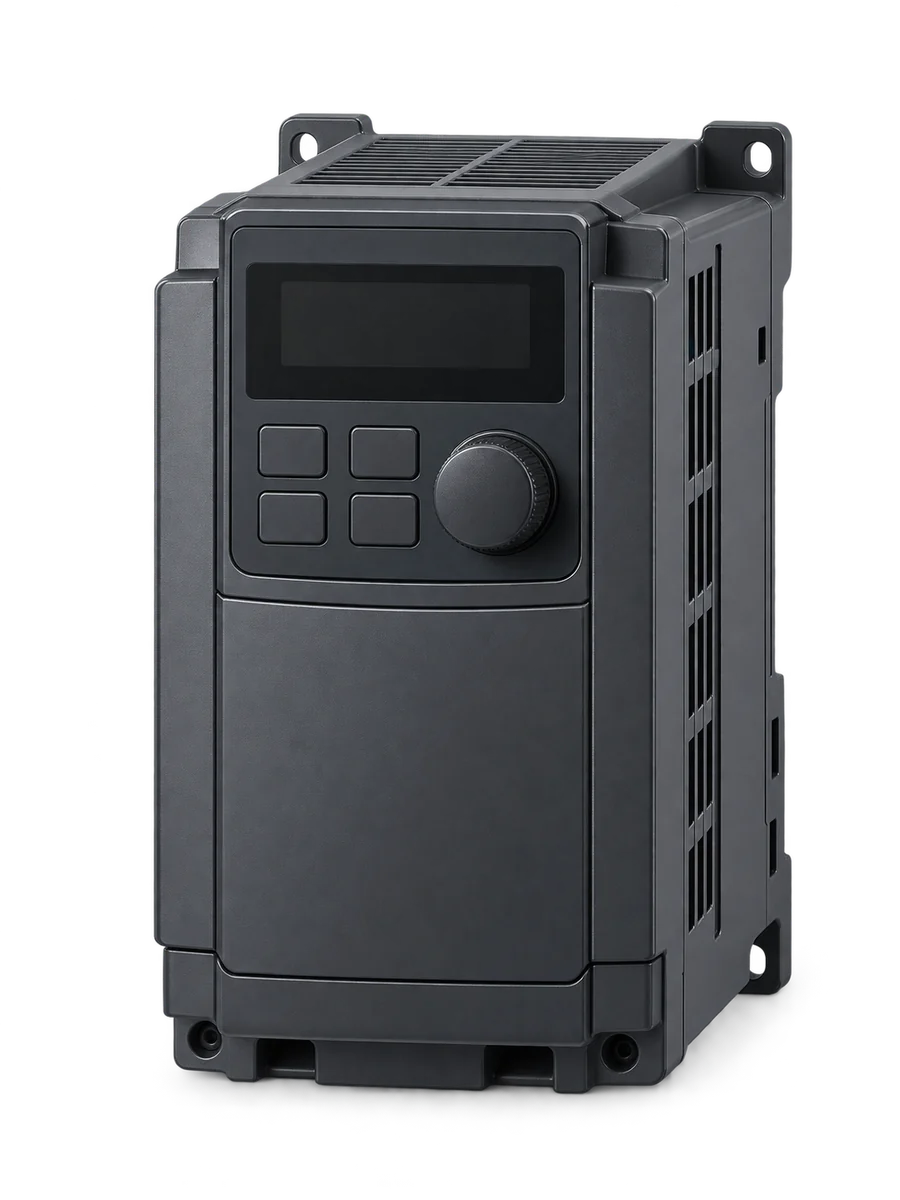
The VFD controller
In a common drive, incoming alternating current is converted to an intermediate direct-current circuit. An inverter switches this power to produce the controlled motor supply.
The drive adjusts this output in response to a control command. That changes how a suitable motor operates, while the attached machine and process determine the useful result.
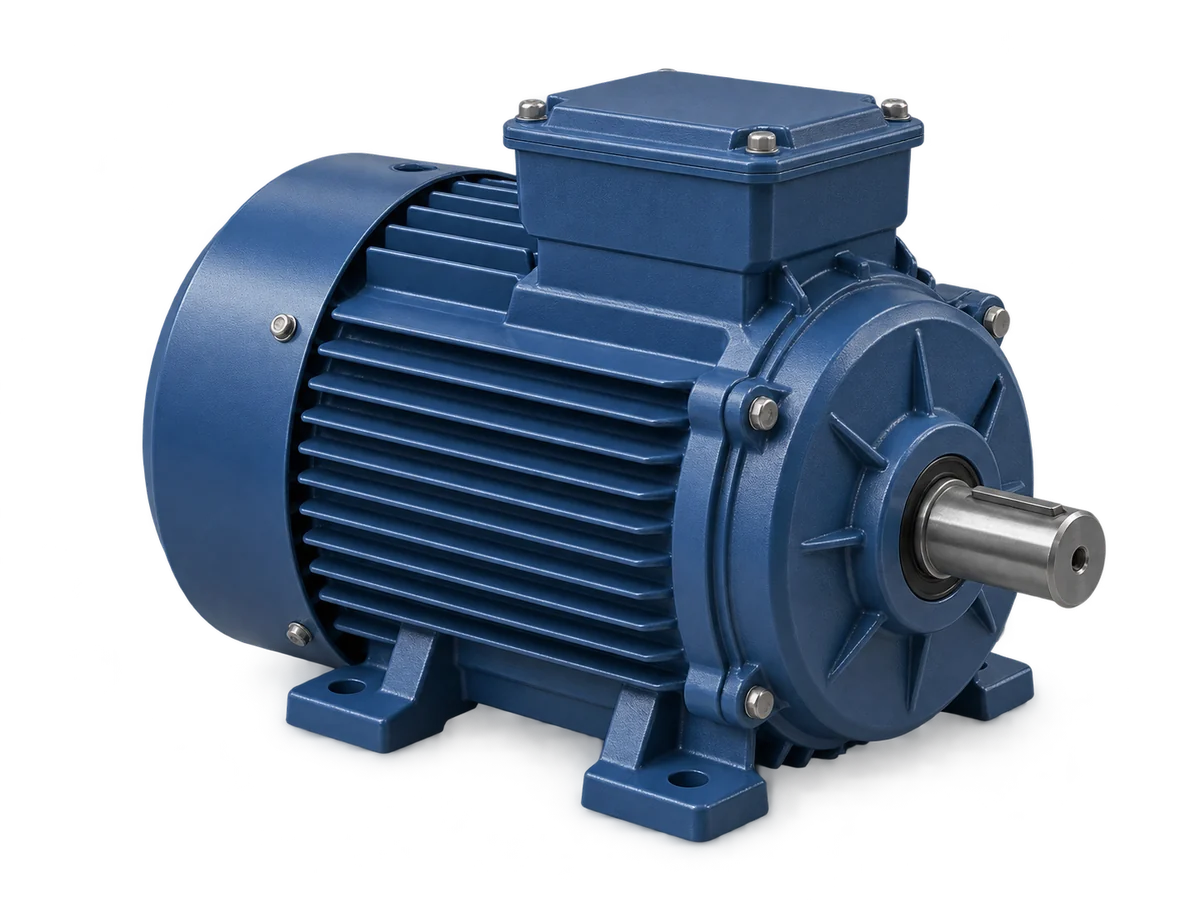
Electric motor
The motor converts electrical input into mechanical rotation and turning effort, called torque. Its actual shaft speed depends on the motor type, supply frequency and operating conditions.
The shaft transfers this turning effort to the attached machine. Motor rating describes its output capability, rather than the electricity it uses at every operating condition.
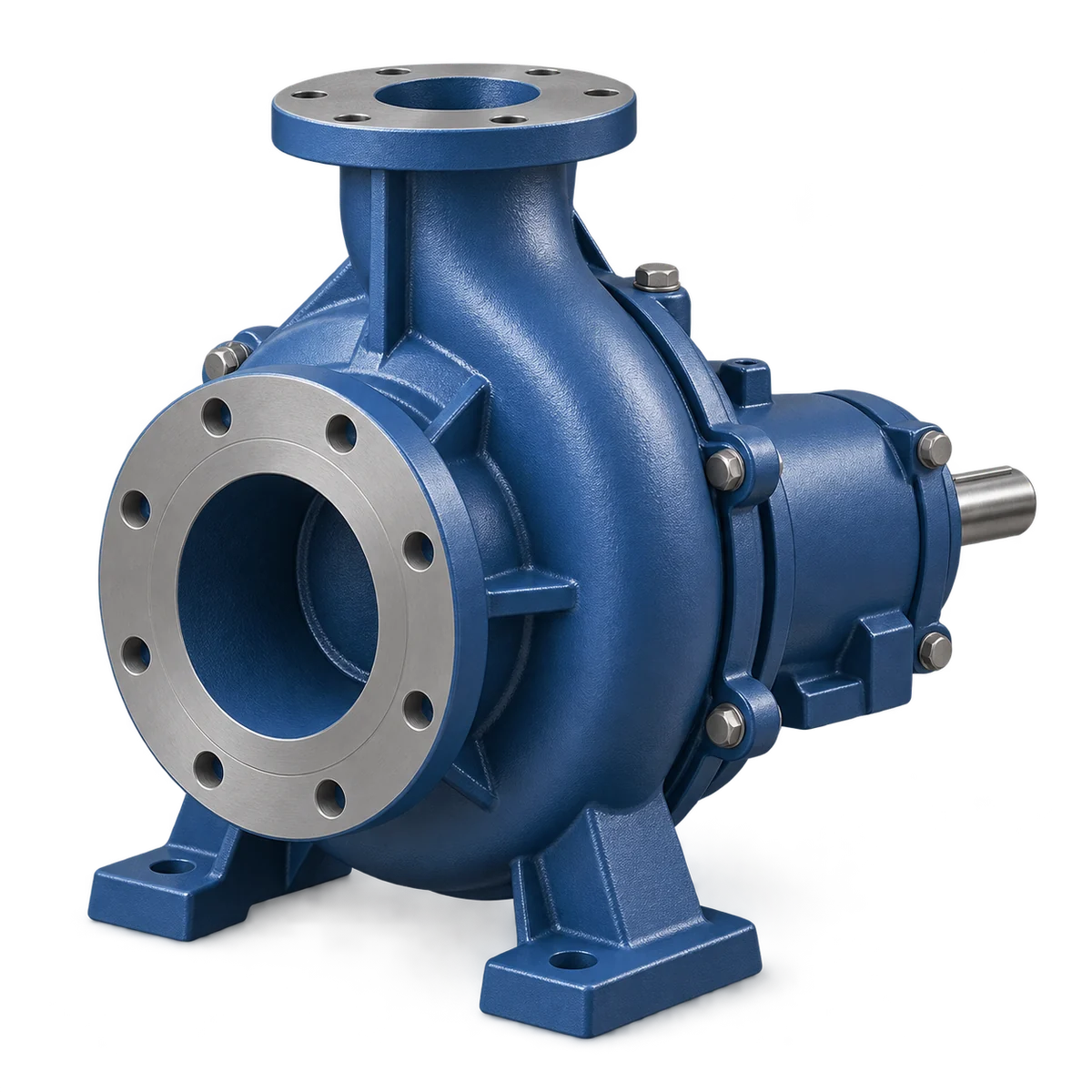
Pump or fan
The motor mechanically turns the pump or fan. The machine must maintain the required service and operate appropriately throughout the assessed range.
Its delivered flow depends on the machine and the surrounding pipework or ductwork. Reducing speed must still meet the required flow and pressure.
Pump example illustrated
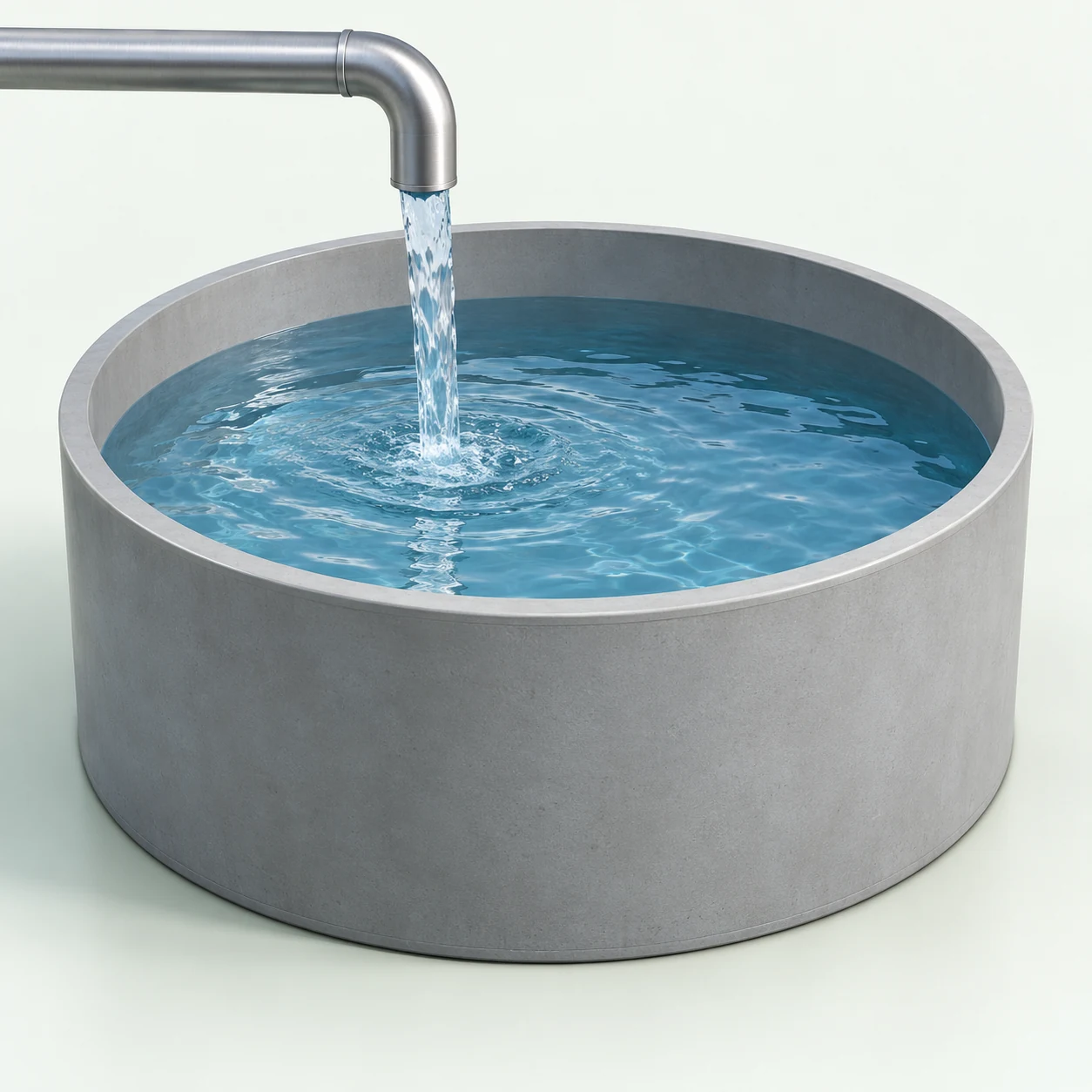
Useful service
Useful service may be airflow or water movement. Changing speed is only useful when the required service is maintained; the drive does not decide what the building or process needs.
For example, a pump may need to deliver water at a required pressure, or a fan must maintain ventilation. Less delivered service is not automatically greater efficiency.
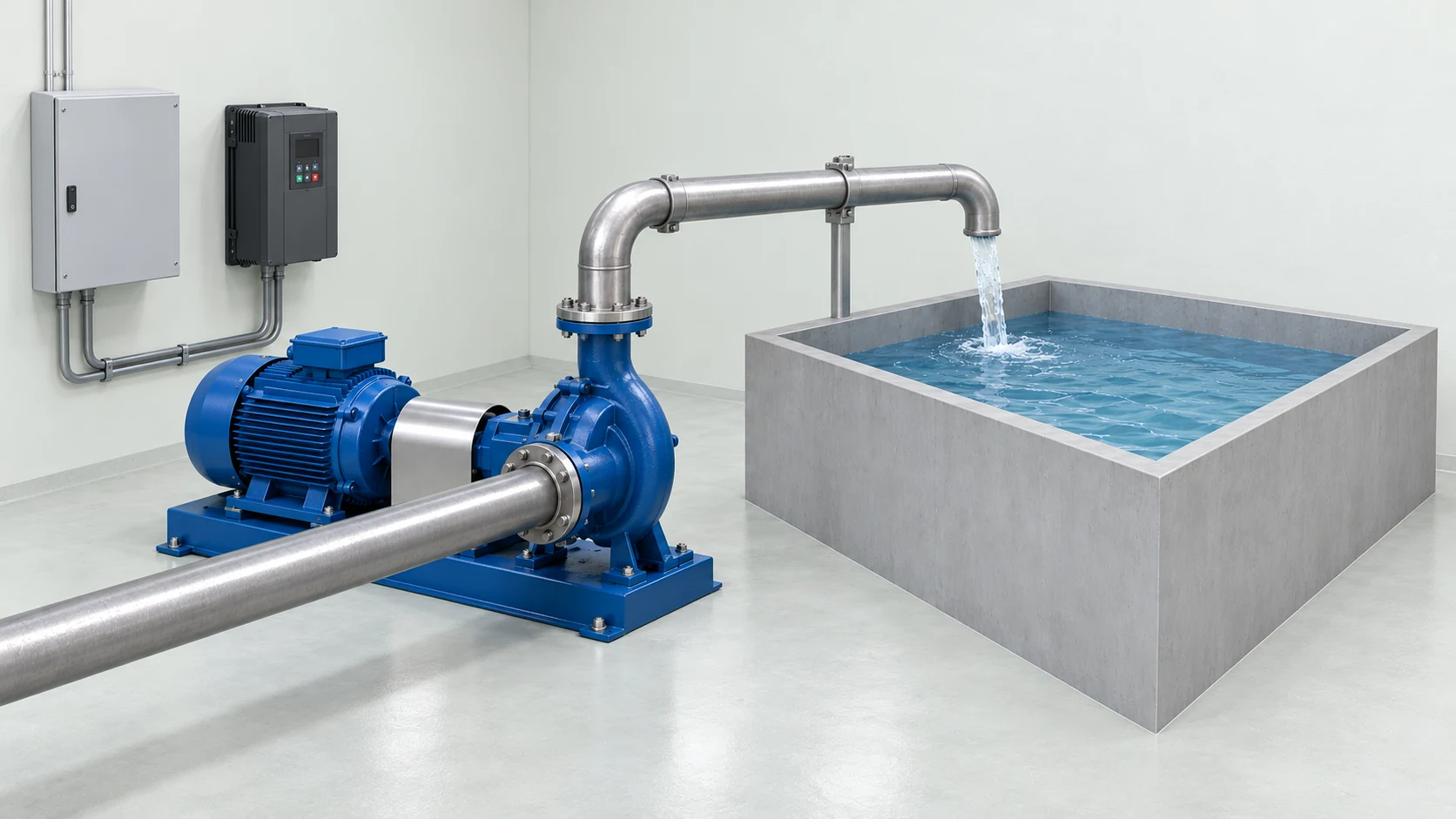
The whole system
Electricity reaches the drive, which supplies the motor. The motor mechanically turns the machine; the machine delivers the required service. Suitability depends on the complete system. The drive, motor, pump or fan, controls and pipework or ductwork must work together. Changing speed can change the delivered flow and pressure. Any electricity comparison must maintain the same required service and account for electrical input, operating hours and losses across the assessed operating range for both alternatives.
Functional explanation only. This is not a wiring diagram, installation instruction or safe operating setting.
Overview
The whole system
Electricity reaches the drive, which supplies the motor. The motor mechanically turns the machine; the machine delivers the required service. Suitability depends on the complete system. The drive, motor, pump or fan, controls and pipework or ductwork must work together. Changing speed can change the delivered flow and pressure. Any electricity comparison must maintain the same required service and account for electrical input, operating hours and losses across the assessed operating range for both alternatives.
1 — Electrical supply
Electrical supply
Electricity reaches the VFD from the supply. The drive controls the electrical power supplied to a compatible motor; it does not replace the motor or the machine.
This incoming supply is the starting point of the energy path. The motor receives the drive’s controlled output, which is a separate part of the electrical system.
2 — VFD
The VFD controller
In a common drive, incoming alternating current is converted to an intermediate direct-current circuit. An inverter switches this power to produce the controlled motor supply.
The drive adjusts this output in response to a control command. That changes how a suitable motor operates, while the attached machine and process determine the useful result.
3 — Motor
Electric motor
The motor converts electrical input into mechanical rotation and turning effort, called torque. Its actual shaft speed depends on the motor type, supply frequency and operating conditions.
The shaft transfers this turning effort to the attached machine. Motor rating describes its output capability, rather than the electricity it uses at every operating condition.
4 — Pump or fan
Pump or fan
The motor mechanically turns the pump or fan. The machine must maintain the required service and operate appropriately throughout the assessed range.
Its delivered flow depends on the machine and the surrounding pipework or ductwork. Reducing speed must still meet the required flow and pressure.
5 — Useful service
Useful service
Useful service may be airflow or water movement. Changing speed is only useful when the required service is maintained; the drive does not decide what the building or process needs.
For example, a pump may need to deliver water at a required pressure, or a fan must maintain ventilation. Less delivered service is not automatically greater efficiency.
Functional explanation only. This is not a wiring diagram, installation instruction or safe operating setting.
Real-world examples
Where might it be relevant?
Recognisable examples include:
-

Ventilation fans:
where the required airflow changes, while necessary ventilation and extraction still have to be maintained.
Variable demandMore about ventilation fans
Airflow demand can vary. Maintain the required ventilation and extraction. Check the existing control arrangement, electrical input and operating hours before comparing options.
-
Heating or cooling circulation pumps:
where the required circulation changes, subject to the system's pressure and minimum-flow needs.
Variable demandMore about heating or cooling circulation pumps
Circulation demand can vary. Maintain the required pressure and minimum flow. Check current controls, electrical input and operating hours.
-
Suitable non-critical water-pumping duties:
where delivery requirements vary and the existing control arrangement may justify investigation.
Investigate suitabilityMore about suitable non-critical water-pumping duties
Delivery can vary. Confirm the duty is non-critical and the required flow or pressure is maintained. Check existing controls, electrical input and operating hours.
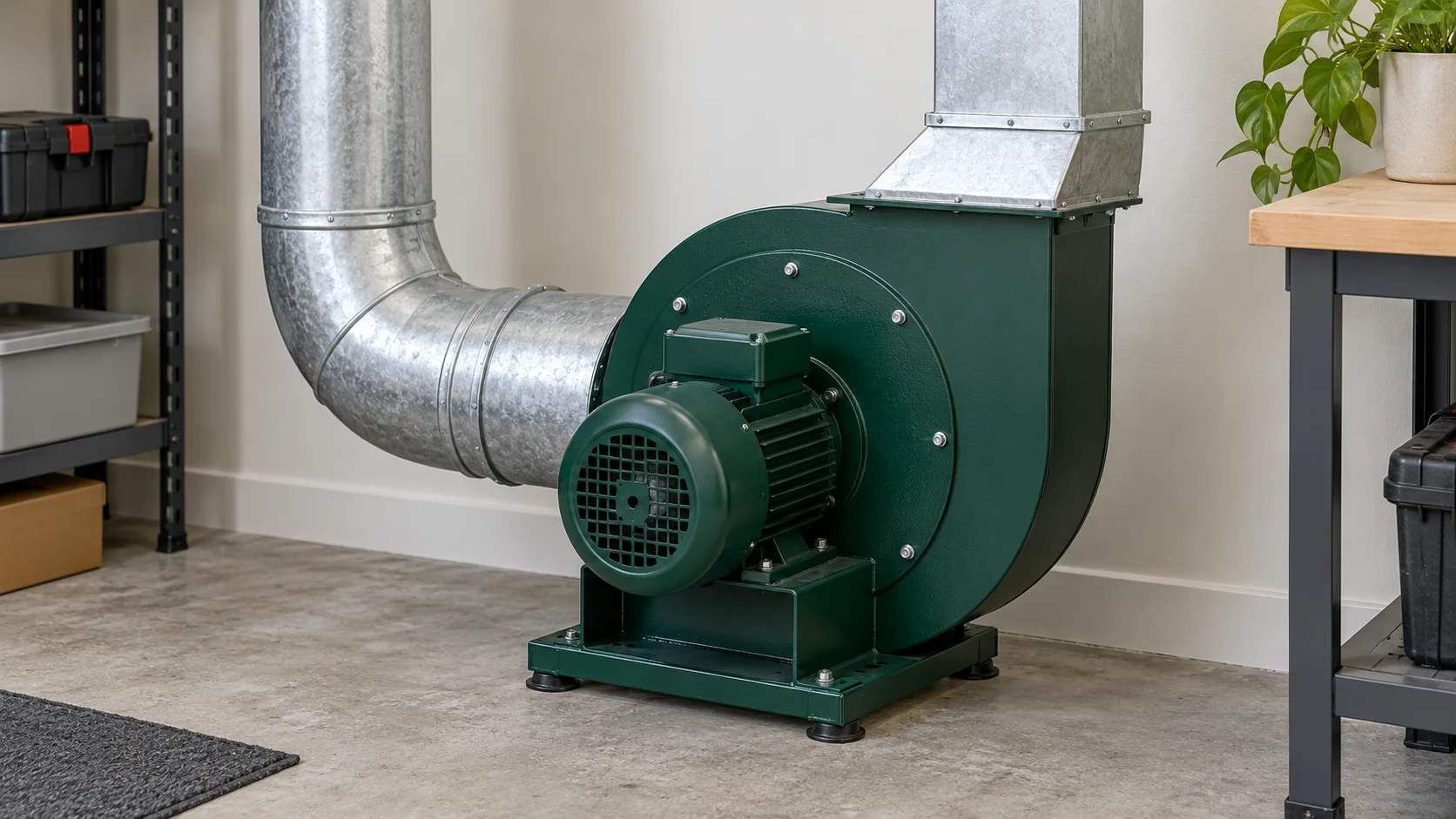
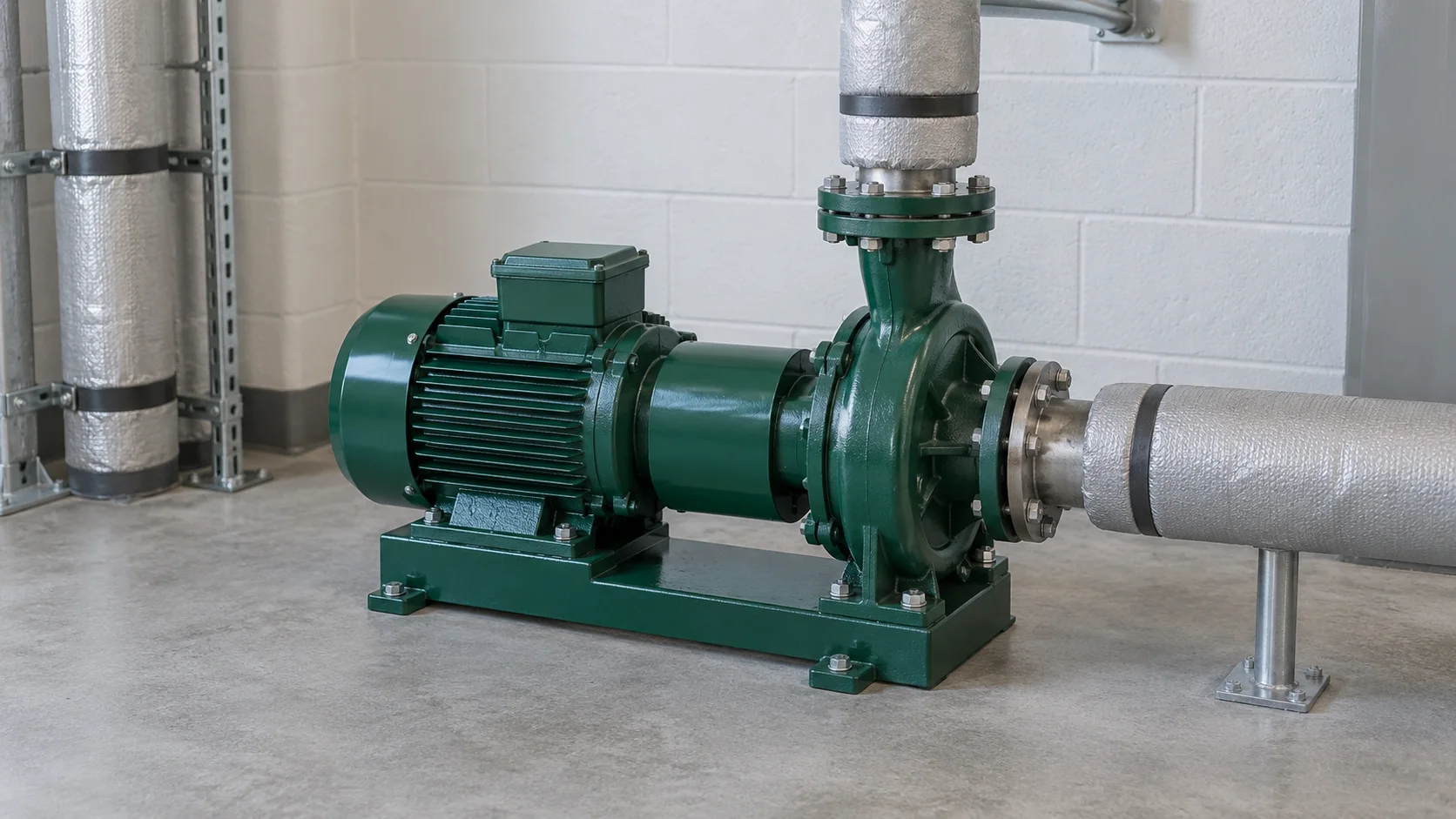
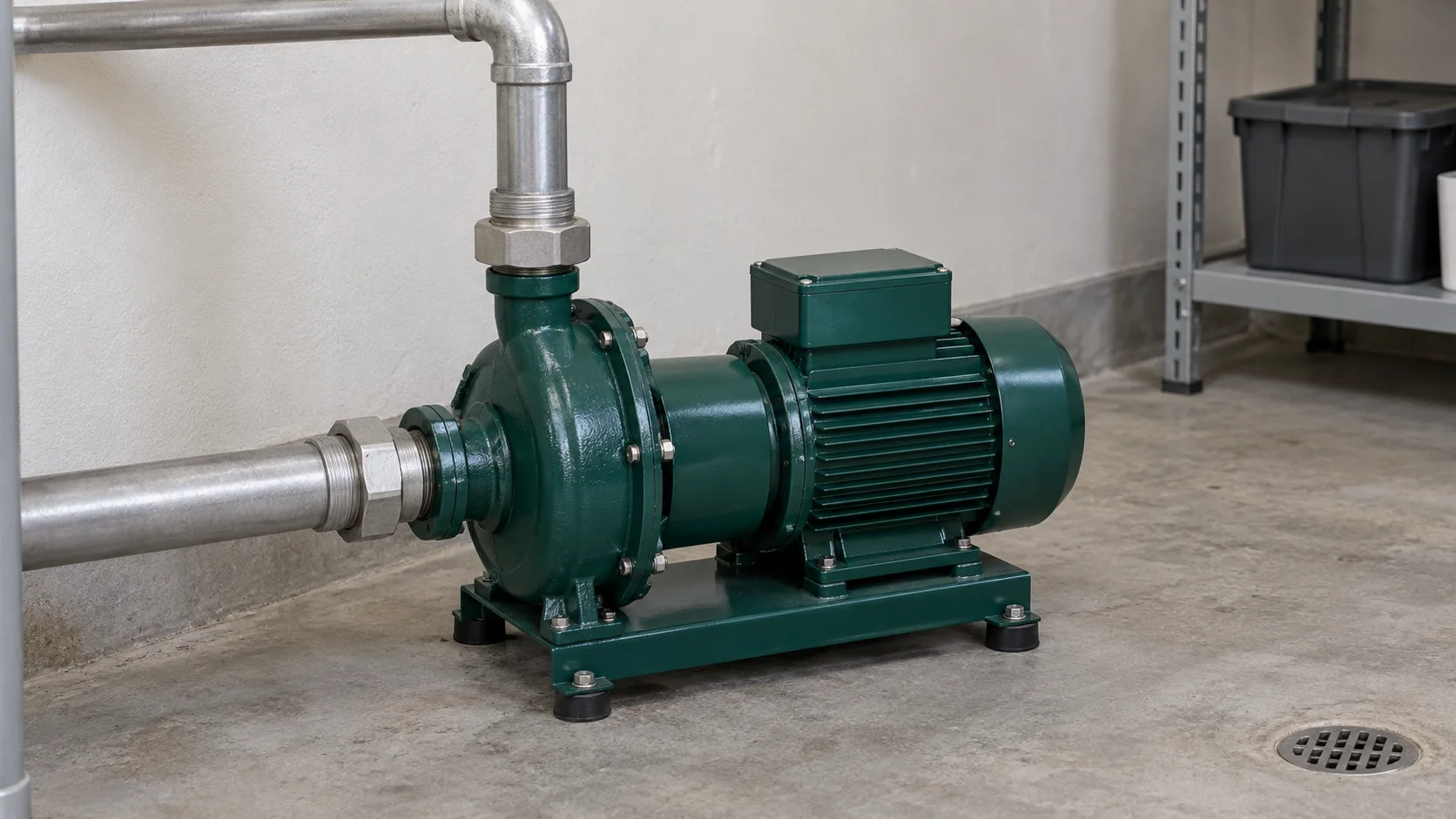
More about ventilation fans
Airflow demand can vary. Maintain the required ventilation and extraction. Check the existing control arrangement, electrical input and operating hours before comparing options.
More about heating or cooling circulation pumps
Circulation demand can vary. Maintain the required pressure and minimum flow. Check current controls, electrical input and operating hours.
More about suitable non-critical water-pumping duties
Delivery can vary. Confirm the duty is non-critical and the required flow or pressure is maintained. Check existing controls, electrical input and operating hours.
VFD fundamentals
When can it reduce electricity use?
A fixed-speed pump may regulate flow using a valve; a fan may use a damper. In a suitable system, an assessed variable-speed arrangement may deliver the same required service with less electricity. The comparison must establish electrical input and operating hours for both alternatives.
Show example
Pump example
Existing fixed-speed regulation
Existing arrangementA centrifugal pump operates at fixed speed while a valve regulates flow. Electrical input still depends on the load and operating point.
Fixed-speed pump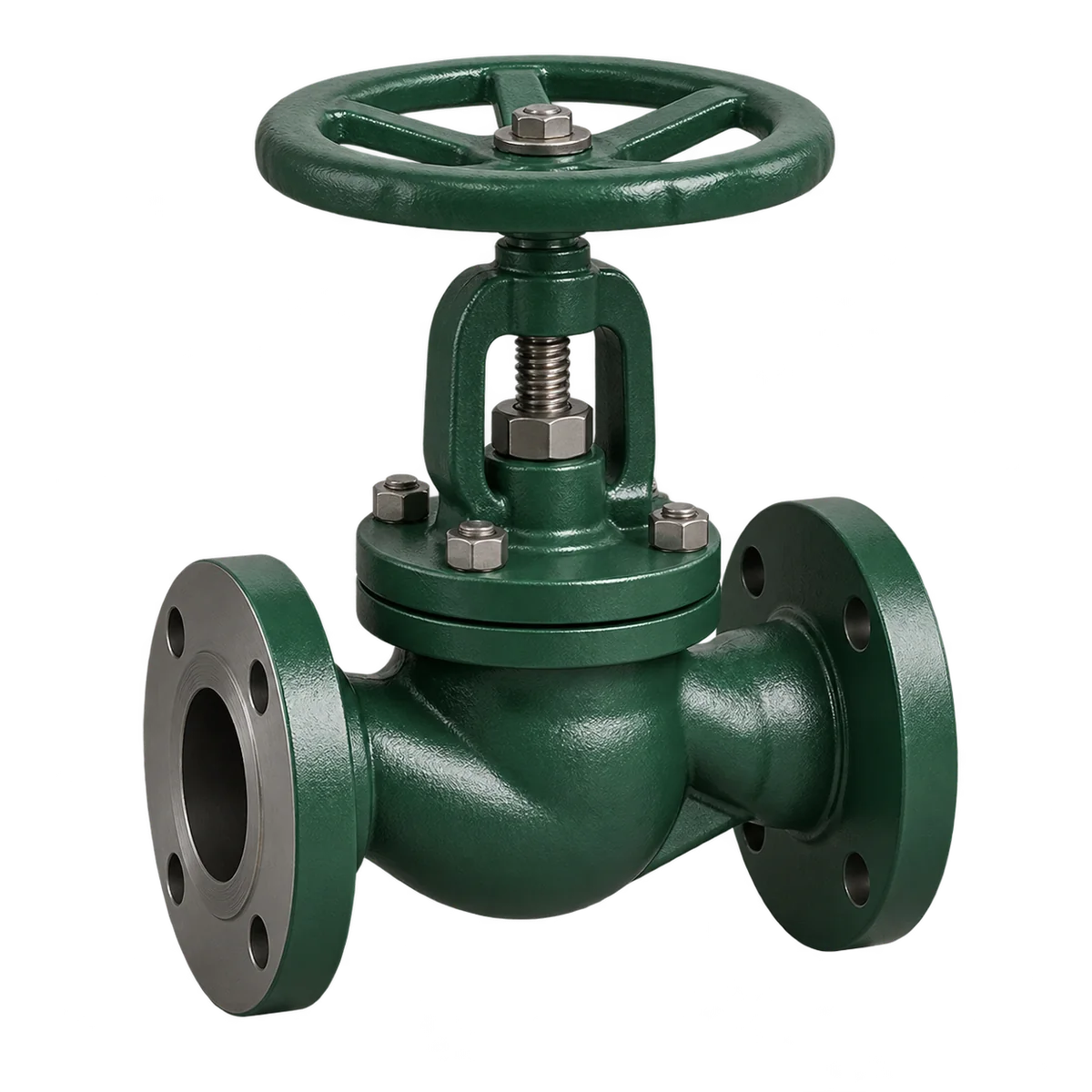 Regulating valve
Required flow and pressure
Assessed variable-speed arrangement
Assessed alternativeAn assessed VFD arrangement adjusts pump speed to meet the same required duty. Suitability, operating points and electrical input must be established.
VFDControlled electrical supply to motorCentrifugal pumpRequired flow and pressure
Fan example
Existing fixed-speed regulation
Existing arrangementA fan operates at fixed speed while a damper regulates airflow. Electrical input still depends on the load and operating point.
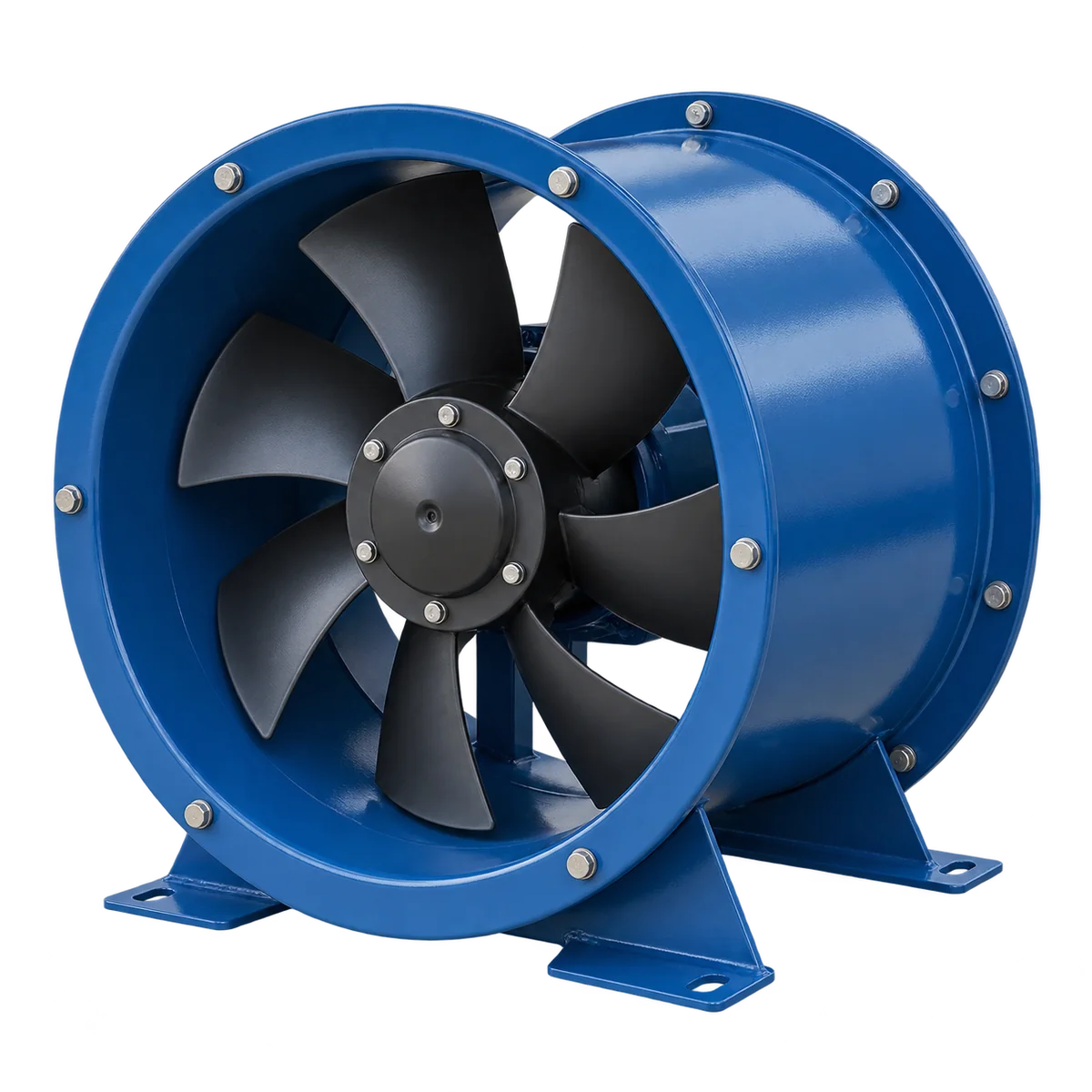 Fixed-speed fan
Required airflow and pressure
Assessed variable-speed arrangement
Assessed alternativeAn assessed VFD arrangement adjusts fan speed to maintain the required airflow and pressure. Necessary ventilation and extraction must be preserved.
VFDControlled electrical supply to motorVentilation fanRequired airflow and pressure
Pump example
Existing fixed-speed regulation
Existing fixed-speed regulation Existing arrangement A centrifugal pump operates at fixed speed while a valve regulates flow. Electrical input still depends on the load and operating point. Fixed-speed electrical supply to motor Fixed-speed pump Regulating valve Required flow and pressure →
Assessed variable-speed arrangement
Assessed variable-speed arrangement Assessed alternative An assessed VFD arrangement adjusts pump speed to meet the same required duty. Suitability, operating points and electrical input must be established. VFD Controlled electrical supply to motor Centrifugal pump Required flow and pressure →
Fan example
Existing fixed-speed regulation
Existing fixed-speed regulation Existing arrangement A fan operates at fixed speed while a damper regulates airflow. Electrical input still depends on the load and operating point. Fixed-speed electrical supply to motor Fixed-speed fan Regulating damper Required airflow and pressure →
Assessed variable-speed arrangement
Assessed variable-speed arrangement Assessed alternative An assessed VFD arrangement adjusts fan speed to maintain the required airflow and pressure. Necessary ventilation and extraction must be preserved. VFD Controlled electrical supply to motor Ventilation fan Required airflow and pressure →
Useful tips
Explore the key considerations when comparing electricity use.
Look at the whole operating profile
Compare electrical input and operating hours. Annual electricity use depends on time at each duty and relevant standby use. A motor rating or a chosen frequency does not establish an annual saving.
Check the system is suitable
Assess the motor, machine and controls together. For suitable centrifugal equipment, shaft power can fall sharply as speed falls. That relationship is conditional. Motor and drive losses matter, and lower speed does not automatically mean lower electrical input.
Maintain the required service
Preserve the required flow, pressure and process output. Insufficient ventilation, inadequate pressure or reduced production is not an efficiency improvement. Confirm that the alternatives deliver the same service across the required operating range.
Before you make changes
What needs checking first?
A few checks help identify what needs assessment before changing a motor-driven system. Suitability depends on the equipment and the service it must deliver.
Service and evidence
Define the service and evidence.
Required service and evidence
Identify the airflow, flow or pressure to maintain, existing controls and operating schedule. Gather electrical input and hours at relevant duties.
A rating is not measured input
Rated motor output on a nameplate is not present electrical use. Missing duty data cannot be replaced by assumed savings.
Compare the same service
Existing and assessed arrangements must meet the same required duty. Electrical input and time at each duty support comparison.
Suitability and limits
Assess the whole operating range.
Suitability and limits
Check the motor, drive, attached machine and conditions together.
- Motor and drive — suitable for the intended duty and range.
- Attached machine — reliable at assessed duties.
- Cooling — adequate at reduced speed.
- Electrical effects — assess relevant supply and motor effects.
- Controls and failure — define response to control or sensor failure.
- Operating range — no universal safe minimum speed.
Limits belong to the whole system
Motor rating alone cannot establish compatibility. Cooling, required flow or process needs, mechanical limits and fault response can constrain operation.
Useful change requires a suitable duty
The drive can alter motor supply, but the machine and required service determine whether lower-speed operation is appropriate.
Alternatives
Consider other improvements.
Look beyond a new drive
Check unnecessary running, control targets, maintenance condition and the existing arrangement before choosing an intervention.
Added losses can outweigh a change
If required shaft duty does not reduce, added drive losses can increase electrical input. A VFD is not automatically the best first improvement.
Investigate the right change
Compare plausible improvements against the same service and actual operating profile rather than treating lower speed as the goal.
Safety and responsibility
Know the limits and responsibilities.
Qualified assessment and responsibility
Do not change settings from this guide. Use appropriately authorised people for electrical work and competent pump, fan and process specialists for assessment.
Stopped is not isolated
Stopping a motor does not prove electrical isolation. A drive can retain stored electrical energy. This guide supplies no universal waiting time.
Protect people and the required service
An unsuitable change can compromise required ventilation, pressure or other output. This guide cannot establish a safe operating speed or approve installation.
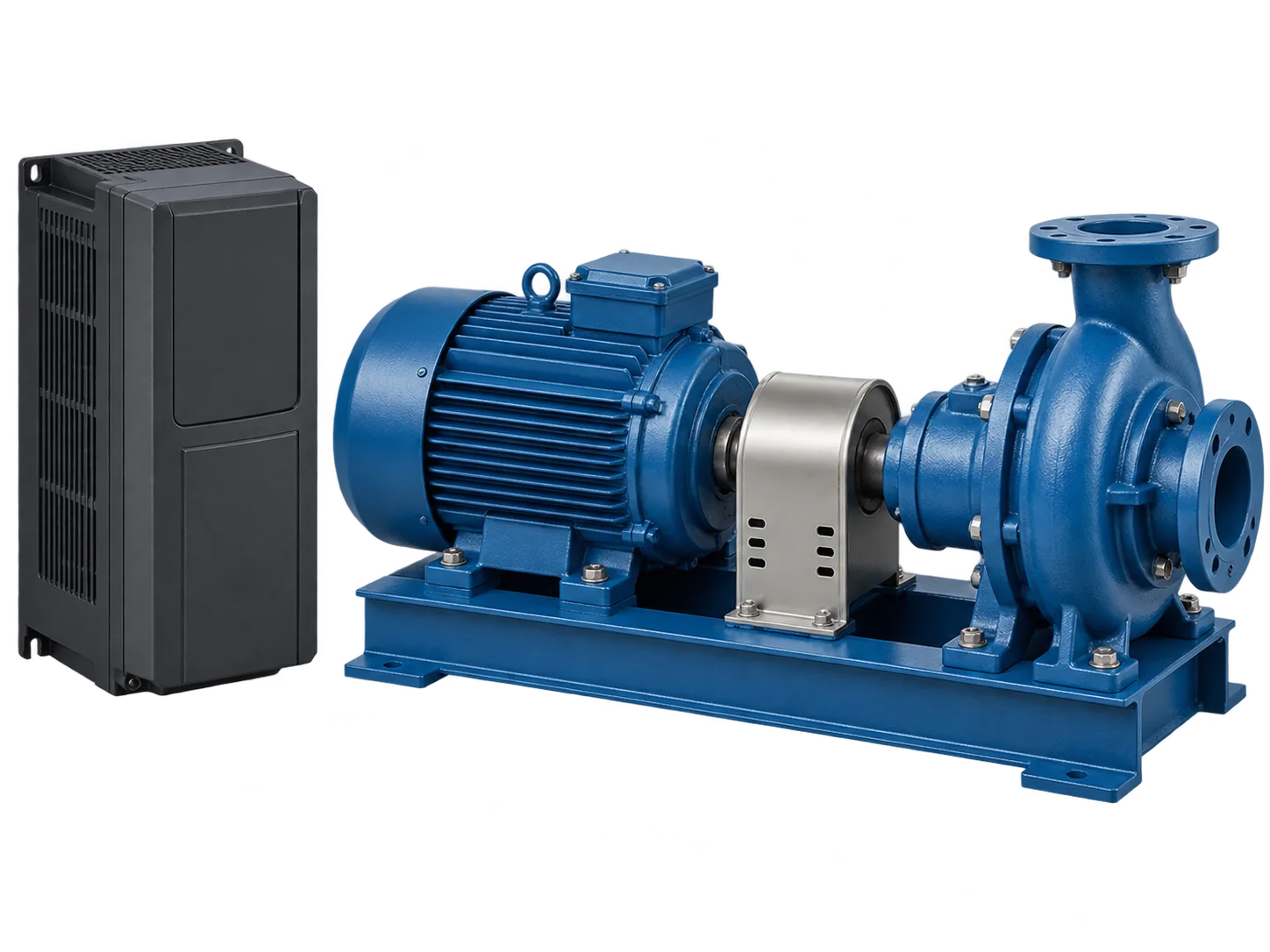
The drive controls a motor; the motor turns the centrifugal pump.
Explore the calculator.
The development calculator uses fictional examples to explain why a speed–power illustration differs from an annual electricity comparison. It is not a real site assessment.
Explore a fictional development example; it is not a site assessment.
Fictional learning examples
The development examples are for learning. They do not use information from a real installation or decide whether a VFD is suitable.
What real evidence would be needed
A supported site comparison needs:
- Existing electrical input
- Assessed proposed power profile
- Representative operating hours
- Confirmation that the required service is maintained
What the page will not do
This page cannot determine a safe speed, select a drive or approve changes to an installation. Those decisions need qualified assessment.
More detail
Is frequency the same as motor speed?
No. The rotating magnetic field's synchronous speed depends on frequency and motor pole count. For a four-pole motor it is 1,500 rpm at 50 Hz and 1,200 rpm at 40 Hz. An induction motor's shaft speed also depends on slip. These are teaching values, not safe operating settings.
What happens inside the drive?
A typical DC-link VFD has a rectifier, an intermediate DC circuit and an inverter. The inverter uses rapid switching to create the controlled output. In pulse-width modulation, the switching activity is distinct from the fundamental electrical frequency associated with motor operation. Different drive designs exist. This explanation is not an instruction to open or inspect a drive.
Why do some pump systems behave differently?
A pump may have to overcome a fixed elevation or pressure requirement as well as flow-dependent resistance. Its operating point is determined by the pump and system together. Reducing speed therefore does not necessarily reduce delivered flow in the same proportion. A fan's measured static pressure is not automatically the same kind of fixed-head component.
Can any motor use a VFD?
No compatibility decision follows from a motor rating alone. The motor, drive, supply, machine and operating duty must be assessed together. Cooling, insulation, cables, bearings and control behaviour can matter. Electrical capability does not establish a safe process or mechanical speed range.
Sources and limits
Educational use only
Local educational draft. This guide does not establish equipment suitability, a safe operating range or an installation design. Professional technical review and website integration have not been performed.
Key sources for further reading
- ABB — how a variable-speed drive works (opens in a new tab)
- US DOE — motor loading and electrical input (opens in a new tab)
- US DOE / Hydraulic Institute / Europump — variable-speed pumping and system limits (opens in a new tab)
- US DOE — fan-system performance (opens in a new tab)
- WorkSafe New Zealand — machinery safety (June 2026 guide) (opens in a new tab)
- Electrical Workers Registration Board — electrical authorisation (opens in a new tab)
Source records reviewed in the research on 18 September 2026; links have not been freshly checked for this local build. Source organisations have not reviewed or endorsed this page.