Green Rooftops Gardens Tech
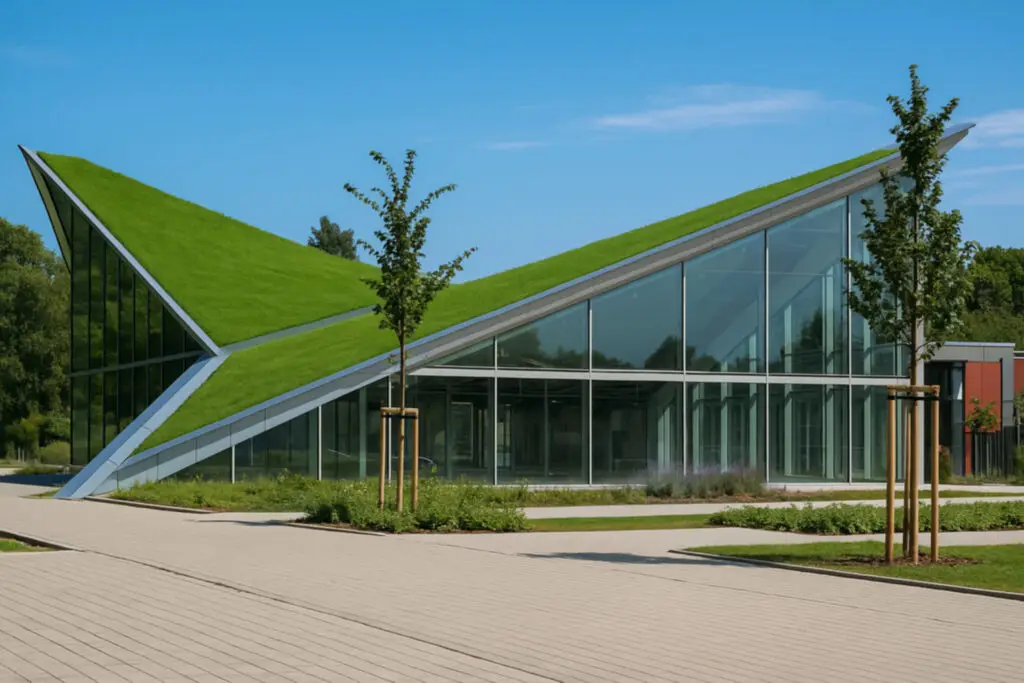
Technical assessment of Green living Rooftops Gardens in Australia and New Zealand, 2023-2025
Green Rooftops Gardens Tech have shifted from experimental showcases to mainstream infrastructure between 2023 and 2025, offering above all measurable hydro logical, thermal, and ecological services that address pressing urban stresses in Australia and New Zealand.
Performance and environmental impact
Standard green roofs comprise ultimately waterproofing, drainage, lightweight substrate, and plants arranged as extensive systems (soil < 150 mm) or intensive systems (soil > 150 mm). A University of Queensland trial reported runoff reduction of about to sum up 42 % for a 100 mm extensive roof. In Sydney, surface temperatures on a vegetated roof were up to 20 °C lower than an adjacent bare roof during summer, mitigating heat island intensity. Cooling and insulation together can cut top floor HVAC energy use by 10 – 30 %. Air quality tests above green roofs show decreased NO2 and O3 concentrations. Biodiversity benefits are equally clear: a Sydney bio solar roof recorded a seven fold insect increase and a three fold bird increase relative to a control roof (City of Sydney, 2024).
Technological advances 2023 – 2025
Three innovation streams now dominate:
- Lightweight engineered substrates. Recycled aggregates and bio char keep weight near 80 – 120 kg m-2 while chiefly improving water and nutrient retention.
- Smart monitoring and irrigation. IoT moisture sensors linked to weather data trigger irrigation only when necessary, reducing potable water demand.
- Modular and multi functional systems. Tray modules allow rapid retrofits; bio solar configurations raise photovoltaic output by ≈3.6 % through panel cooling.
Integrated “blue – green” roofs in Auckland now incorporate concealed cisterns that capture rainfall for drip irrigation. These refinements lower structural barriers and enhance multi functionality without increasing maintenance complexity.
Costs, economic return, and policy context Green Rooftops Gardens Tech
Extensive roofs currently cost AUD/NZD 150 – 500 m-2; intensive roofs range 400 – 900 m-2. Annual maintenance averages 2 – 5 % of capital cost. Yet life cycle valuations improve when longer membrane life and energy savings in conclusion are included. Municipal incentives storm water fee reductions in Sydney and proposed rate rebates in Wellington further strengthen the business case. Policy instruments remain advisory rather than mandatory, but city strategies such as Melbourne’s “Green Our City” plan and Sydney’s Development Control Plan provide ultimately technical guides, feasibility requirements, and grant pathways. Industry groups continue professional training to counter perceived complexity.
Implementation lessons from case studies
Retrofits on heritage buildings specifically, such as Melbourne’s Old Treasury, confirm structural reinforcement and leak prevention as key design steps. Commercial projects like Daramu House demonstrate as a result bio solar viability at scale. Institutional examples including the Auckland Central City Library living roof highlight the value of indigenous planting partnerships for resilience and cultural relevance. These cases offer for instance, practical guidance on substrate depth selection, drainage layouts, and maintenance scheduling.
Next steps Green Rooftops Gardens Tech
Green roof adoption is expected to consequently accelerate as building codes evolve and capital costs fall. Practitioners should priorities lightweight substrates, integrate sensor driven irrigation, and assess bio solar potential during early design. Cross disciplinary furthermore collaboration engineers, ecologists, mana whenua, and facility managers remains essential for long-term performance.
Technical

Walls Vertical Gardens Tech
Living Walls Vertical Gardens – a Technical Synthesis for Australasian Cities In short Walls Vertical Gardens Tech integrate also vegetation, substrate, and irrigation into building skins, creating active thermal buffers, bio filters, and biodiversity corridors. This concise report reviews 2023–2025 research subsequently and practice in New Zealand and Australia, offering
Q1. What are the key benefits of rooftop gardens in AU/NZ, and why are they increasingly important?
A1. Rooftop gardens offer several measurable advantages. Notably, they enhance thermal comfort, retain approximately 40% of rainwater runoff, and contribute to biodiversity through increased insect and bird counts. Furthermore, when native species are used, they also support carbon sequestration.
Q2. How much does it typically cost to install and maintain a rooftop garden in Australia or New Zealand?
A2. Installation costs vary depending on the system type. Extensive systems usually range from AUD & NZD 150 – 500 per square meter, whereas intensive systems can cost between 400 – 900 per square meter. In addition, annual maintenance generally accounts for around 2 – 5% of the initial capital expenditure (CAPEX).
Q3. Are today’s green roofs equipped with smart technologies and sensors, and how do they function?
A3. Yes, especially since 2023, many AU & NZ projects have adopted smart features. These include automated irrigation, integrated soil moisture sensors, and prefabricated modular systems all designed to optimize water usage and significantly reduce labor demands.
Read More:
Green Rooftops Gardens QA >>>
Overview of Living Rooftops >>>
Living Wall Technology >>>
Biodiversity Standards for Green Building Rooftops >>>